


What Parents Are Surprised to Learn About Their Child’s English Phonics Course Progress
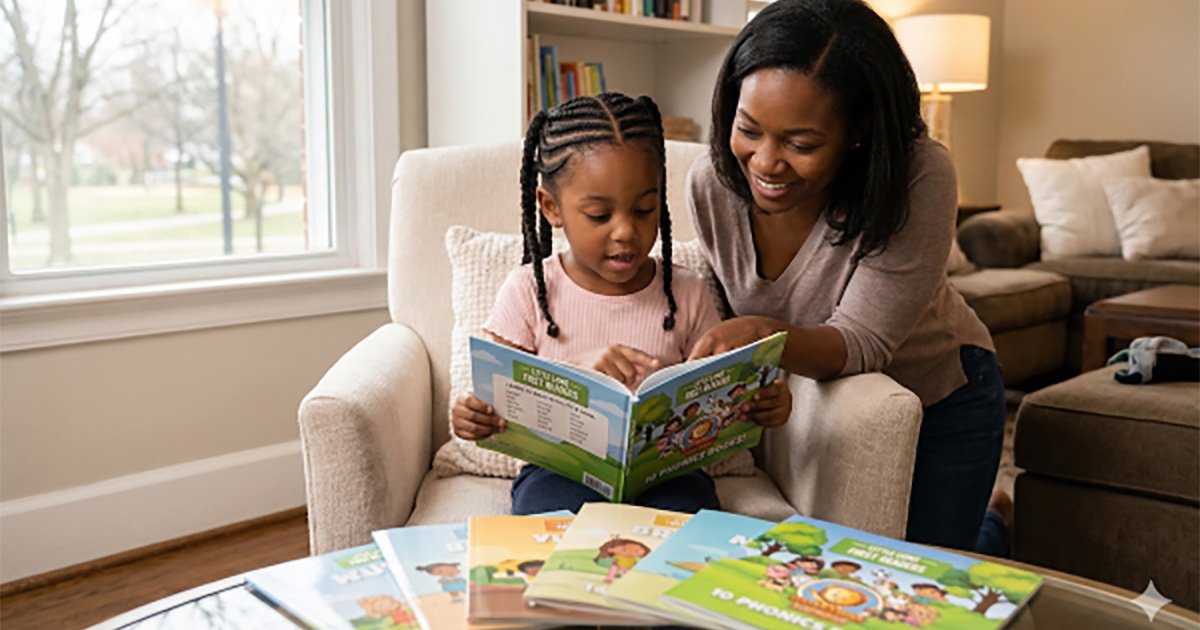
You see little daily progress in your child’s reading. Then their ability suddenly clicks. This non-linear path is completely normal in a strong english phonics course.
Your child’s brain is working hard beneath the surface. Understanding this changes everything for you as a parent. Here is what to really expect when they learn to read english.
What Did Parents Believe Before Starting Versus What They Saw After Eight Weeks?
Parents often expect steady, visible improvement each week. The reality after two months is wonderfully different.
Expectations at the Starting Line
They believed they would see new skills every single session. Parents assumed struggle would match their own childhood memories. Many worried about complex letter sounds. They thought their role was to teach and correct constantly.
The Reality After Eight Weeks
Progress bundled and appeared almost overnight. Kids often struggled with sounds they thought would be easy. They breezed through tricky phonics patterns instead. The parent’s main job was consistency, not instruction. One mother shared this common experience.
“We drilled short vowels for weeks with no result. Then one Tuesday, she read an entire page. The reading click is a real phenomenon.”
A structured english phonics course prepares you for this pattern. Knowing it is coming makes all the difference.
What Are the Biggest Myths About How Children Progress in Phonics?
Many beliefs about early reading can cause unnecessary worry. Let’s separate myth from fact.
Myth: If My Child Isn’t Saying the Sound, They Aren’t Learning It
Your child’s brain is busy consolidating phoneme-grapheme links. This internal work happens before visible decoding. Silent periods are productive, not stalled.
Myth: Struggling With “Easy” Sounds Means the Program Is Failing
The simplest sounds are used most often. Mastery here is critical for fluency. This deep practice is a sign of a thorough phonics program, not a failing one.
Myth: More Weekly Lesson Time Equals Faster Progress
Brain-friendly pacing values short, daily exposure. It allows for essential mental consolidation. This is why micro-lessons outperform marathon sessions for young learners.
How Can You Support Your Child’s Brain During a Learning Plateau?
Your management of the plateau is the key. Follow these steps to support the invisible work.
First, trust the silent weeks. Your child’s brain is assembling the phonics puzzle. Your confidence fuels their routine.
Second, prioritize consistency over duration. Five focused minutes daily beats an hour weekly. You can learn to read english with brief, regular practice more effectively than with occasional long sessions.
Third, observe instead of correcting. Watch for small wins like sound recognition in daily life. This reduces anxiety for everyone.
Fourth, lean on the program’s structure. A good program sequences sounds for a reason. Follow the order without jumping ahead.
Finally, celebrate the click. When a skill bundle unlocks, make it a big deal. This positive reinforcement motivates the next phase.
Frequently Asked Questions
Why did my child’s progress suddenly stop? It did not stop. It moved into a consolidation phase. The brain is organizing new knowledge before the next visible leap.
How long do plateaus typically last? They can last three to six weeks for a single skill set. The duration depends on complexity and the child’s age.
Is my child’s program effective if this happens? Yes. This non-linear pattern often indicates deep learning. Lessons by Lucia is designed for brain-friendly pacing, drawing on 30+ years of classroom experience. Their micro-lesson format supports this consolidation process.
Should I switch programs during a plateau? Do not switch. Changing methods resets the consolidation process. Consistency with one strong learn to read for kids approach is best.
Your child’s reading journey is not a straight line. It is a series of sprints after thoughtful rest stops. Your patience during the quiet times is the greatest gift. Trust the process, your child, and the program’s design. The next reading click is being built right now.