

Sewage Cleanup in Dallas: What Homeowners Should Do After a Backup
Sewage backups are among the most unpleasant and dangerous problems a homeowner can face. When wastewater flows back into a house due to a blocked or damaged sewer line, it can quickly create a hazardous environment. The contaminated water may contain bacteria, viruses, and harmful chemicals that threaten both health and property. For homeowners dealing with this stressful situation, understanding the proper steps to take is essential. Acting quickly and contacting professionals who specialize in sewage cleanup in Dallas can prevent further damage and ensure the home is restored safely.
Understanding the Causes of Sewage Backups
Sewage backups occur for several reasons, and identifying the cause is important for preventing future incidents. One of the most common causes is clogged sewer lines. Over time, grease, paper products, hair, and other debris can accumulate in pipes, restricting the flow of wastewater. When the blockage becomes severe, sewage may be forced back into sinks, bathtubs, or floor drains.
Tree roots are another frequent cause of sewer line damage. In many neighborhoods, large trees grow close to underground sewer pipes. Roots naturally seek moisture and can enter small cracks in pipes, eventually causing blockages or pipe breaks. Heavy rainstorms can also overload municipal sewer systems, leading to backups in residential properties.
Old or damaged pipes may also contribute to the problem. Aging plumbing systems can crack, collapse, or become misaligned over time. When this happens, wastewater cannot flow properly and may return to the home. In these situations, professional sewage cleanup in Dallas services often work alongside plumbing experts to resolve both the contamination and the underlying plumbing issue.
Health Risks Associated With Sewage Exposure
Sewage water is classified as highly contaminated because it contains microorganisms that can cause illness. Direct contact with sewage can expose homeowners to bacteria such as E. coli and Salmonella, as well as viruses and parasites. These pathogens may lead to infections, gastrointestinal illness, skin irritation, and respiratory problems.
In addition to biological hazards, sewage water can release harmful gases and strong odors that affect indoor air quality. Prolonged exposure to these pollutants may worsen allergies, asthma, or other respiratory conditions. This is why experts strongly advise homeowners not to attempt large-scale cleanup themselves.
Professional teams providing sewage cleanup in Dallas are trained to handle biohazardous waste safely. They use specialized protective equipment and follow strict sanitation procedures to eliminate contamination and protect the health of everyone in the home.
Immediate Steps Homeowners Should Take
When a sewage backup occurs, quick action can significantly reduce the amount of damage. The first step is to stop using all plumbing fixtures in the home. Running water or flushing toilets can worsen the backup and spread contaminated water further into the property.
Next, homeowners should turn off electricity in affected areas if it is safe to do so. Water and electricity together create a serious safety hazard, so it is best to avoid contact with standing water until professionals assess the situation.
If possible, keep family members and pets away from the contaminated area. Sewage water can spread bacteria quickly, so limiting access reduces the risk of exposure. Opening windows for ventilation may help reduce strong odors, but homeowners should avoid disturbing the contaminated area too much.
Once immediate safety steps are taken, contacting a professional company that provides sewage cleanup in Dallas should be the next priority. Rapid response teams can assess the damage, remove contaminated water, and begin sanitation procedures right away.
The Professional Sewage Cleanup Process
Professional restoration companies follow a structured process to restore homes after a sewage backup. The first stage usually involves a detailed inspection of the affected areas. Technicians evaluate the extent of contamination, determine the source of the problem, and develop a cleanup strategy.
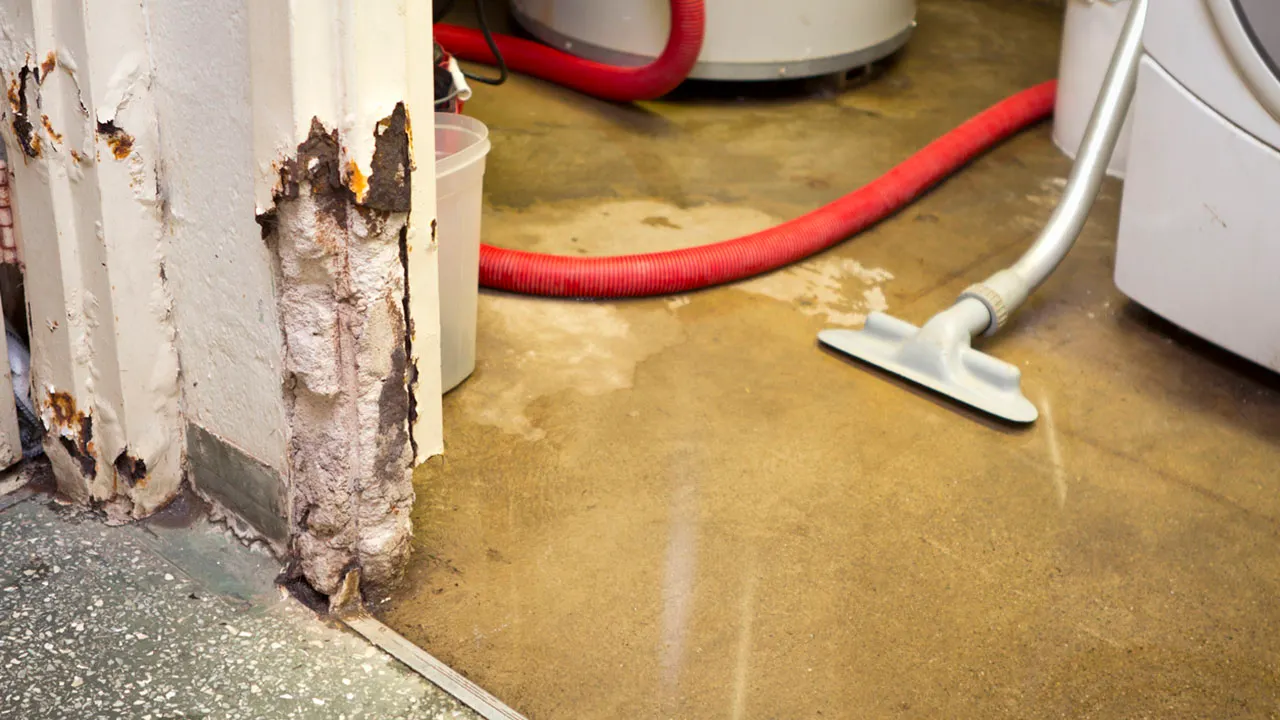
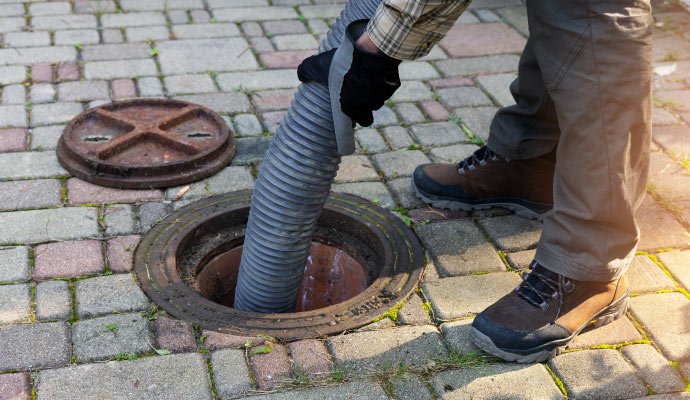
The next step is water extraction. Using powerful pumps and industrial vacuums, technicians remove standing sewage water from floors, carpets, and basements. Once the contaminated water is removed, damaged materials such as soaked carpets, drywall, or insulation may need to be discarded if they cannot be safely cleaned.
After removal of contaminated materials, technicians perform thorough cleaning and disinfection. Specialized antimicrobial solutions are applied to eliminate bacteria and viruses. This stage is critical for ensuring that the property is safe for occupants.
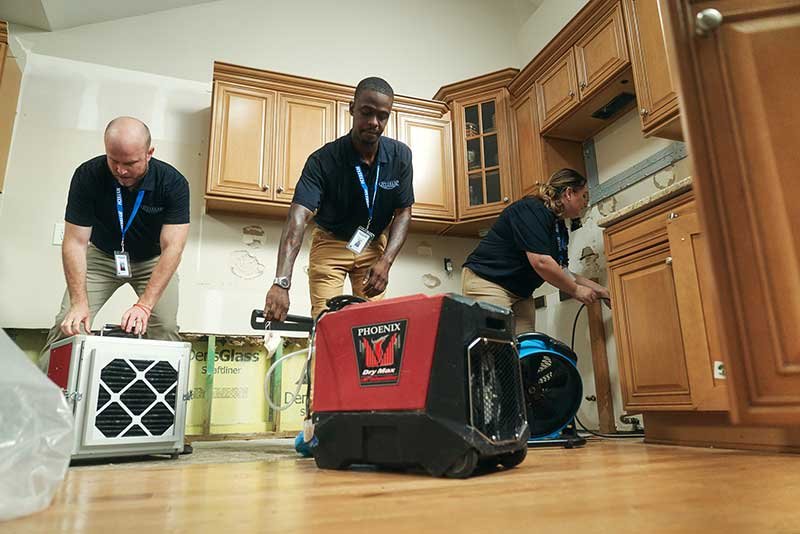
Drying and dehumidification follow the sanitation stage. High-powered air movers and dehumidifiers are used to remove moisture from walls, floors, and furniture. Proper drying prevents mold growth, which can occur within 24 to 48 hours after water exposure.
The final stage of sewage cleanup in Dallas often includes odor removal and restoration work. Advanced air filtration systems and deodorizing treatments help eliminate unpleasant smells, while repairs restore the home to its original condition.
Why Professional Help Is Essential
While small water spills can sometimes be cleaned by homeowners, sewage contamination is a much more serious situation. Attempting to clean sewage without proper equipment can expose individuals to harmful pathogens and increase the risk of spreading contamination throughout the home.
Professional restoration teams have the training, protective gear, and specialized equipment necessary to handle biohazardous materials safely. They also understand industry standards for sanitation and disposal of contaminated waste.
Another advantage of hiring professionals for sewage cleanup in Dallas is their ability to detect hidden damage. Sewage water can seep beneath floors, behind walls, and into structural materials. Without proper inspection tools, these hidden areas may remain contaminated, leading to long-term health risks and property damage.
Preventing Future Sewage Backups
Although sewage backups cannot always be prevented, homeowners can take steps to reduce the risk. Regular plumbing maintenance is one of the most effective strategies. Scheduling routine inspections helps identify small issues before they become major problems.
Avoid flushing items that can clog pipes, such as paper towels, hygiene products, wipes, or grease. Even products labeled as “flushable” can accumulate in sewer lines and contribute to blockages over time.
Installing a backwater valve is another preventive measure. This device allows wastewater to flow out of the home but prevents it from flowing back in during sewer system overloads. Many plumbing professionals recommend this solution in areas prone to heavy rainfall or flooding.
Homeowners should also monitor trees near sewer lines. If large roots grow close to underground pipes, professional root removal or pipe reinforcement may be necessary.
Working With Insurance After a Sewage Backup
Many homeowners are unsure whether their insurance policy covers sewage damage. Coverage often depends on the cause of the backup and the specific terms of the policy. For example, some policies cover sudden sewer backups but may not cover damage caused by poor maintenance.
After contacting a sewage cleanup in Dallas company, homeowners should document the damage by taking photos and videos of affected areas. Keeping records of cleanup expenses and restoration work can also help support insurance claims.
Professional restoration companies often assist homeowners with the documentation process. Their detailed reports and damage assessments can make it easier for insurance providers to evaluate the claim.
Restoring Safety and Comfort to Your Home
Experiencing a sewage backup can be overwhelming, but taking the right steps quickly can minimize damage and restore your home faster. Understanding the risks of sewage contamination and knowing when to call professionals are key factors in protecting both property and health.