


Latest Innovations in Cooling Systems for Commercial Buildings
Commercial buildings require efficient and reliable cooling systems to maintain comfort, productivity, and energy efficiency. In recent years, rapid technological advancements have transformed traditional cooling methods, offering building managers smarter, more sustainable solutions. From energy-efficient air conditioning to AI-driven predictive maintenance, the latest innovations in cooling systems are reshaping the commercial real estate landscape.
Smart Cooling Systems and IoT Integration
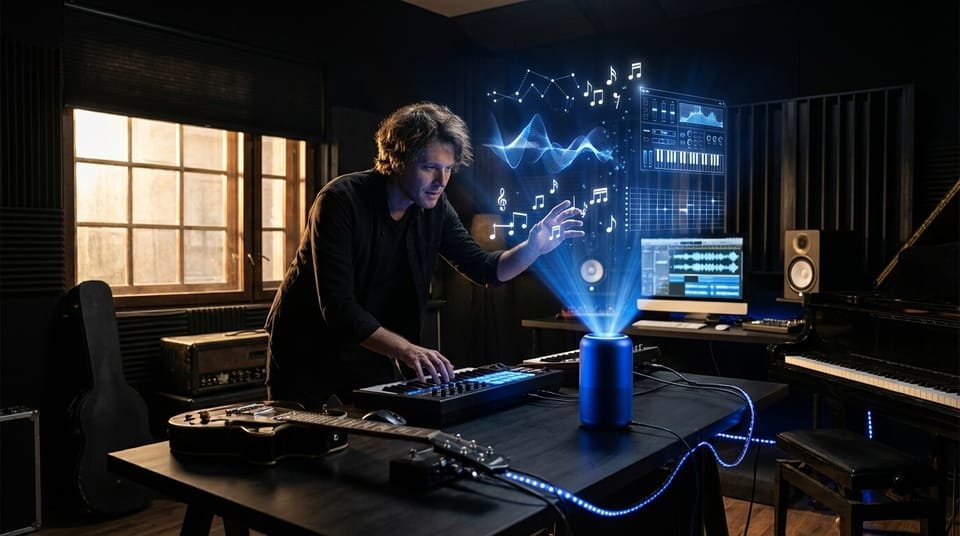
One of the most significant trends in commercial cooling systems is the integration of smart technology and the Internet of Things (IoT). IoT-enabled cooling systems allow building managers to monitor and control temperature, humidity, and air quality in real time. Sensors placed throughout a building collect data that can be analyzed to optimize cooling performance, reduce energy consumption, and identify maintenance needs before failures occur.
Smart cooling systems can automatically adjust settings based on occupancy patterns, time of day, or even weather forecasts. This dynamic approach not only enhances comfort but also results in substantial energy savings. For instance, office spaces can reduce cooling in unoccupied areas while maintaining ideal temperatures in active zones, leading to lower utility bills and reduced environmental impact.
Energy-Efficient HVAC Innovations
Traditional heating, ventilation, and air conditioning (HVAC) systems often consume a large portion of a commercial building’s energy. Newer cooling systems focus on reducing energy use while maintaining performance. Variable Refrigerant Flow (VRF) systems are gaining popularity because they allow precise control of cooling in different zones, ensuring energy is not wasted in unoccupied areas. VRF systems also enable heat recovery, using excess heat from one part of the building to warm another, further improving overall efficiency.
Chilled beam technology is another innovation transforming commercial cooling. Unlike conventional systems that rely on forced air, chilled beams use water to absorb heat from a space, offering quieter operation and higher energy efficiency. This method reduces energy consumption significantly and improves indoor air quality by minimizing air movement, which can reduce the spread of airborne contaminants.
Renewable Energy and Eco-Friendly Refrigerants
Sustainability is a driving force behind the latest developments in cooling systems. Commercial buildings are increasingly adopting systems that incorporate renewable energy sources such as solar-powered air conditioning. Solar cooling systems convert solar energy into electricity to operate compressors, significantly reducing reliance on fossil fuels and lowering carbon footprints.
In addition to renewable energy integration, eco-friendly refrigerants are replacing traditional options that have high global warming potential (GWP). Low-GWP refrigerants, such as hydrofluoroolefins (HFOs), are now being used in advanced cooling systems to meet stricter environmental regulations while maintaining efficient performance. These refrigerants minimize environmental impact without compromising cooling capacity.
AI-Driven Predictive Maintenance
Artificial intelligence is revolutionizing how commercial buildings manage cooling systems. AI-driven platforms analyze historical data and real-time operational metrics to predict potential failures, optimize maintenance schedules, and reduce downtime. By identifying issues before they escalate, building managers can extend the lifespan of cooling systems, avoid costly emergency repairs, and maintain consistent comfort for occupants.
Predictive maintenance also supports energy efficiency. AI can detect when systems are underperforming or using excess energy and recommend adjustments to optimize performance. This proactive approach is particularly valuable for large commercial buildings, where HVAC inefficiencies can translate to significant operational costs.
Modular and Scalable Cooling Solutions
Flexibility is increasingly important in modern commercial building design. Modular cooling systems provide scalable solutions that can be customized to meet the specific needs of a building. These systems allow for the incremental addition of cooling capacity as the building’s occupancy or function changes, reducing upfront investment costs and minimizing disruption during installation.
Modular systems often incorporate advanced control features that integrate seamlessly with building management systems (BMS). This integration enables centralized monitoring and efficient operation of multiple units, ensuring that energy use is optimized across the entire facility.
Liquid Cooling and Advanced Heat Exchange
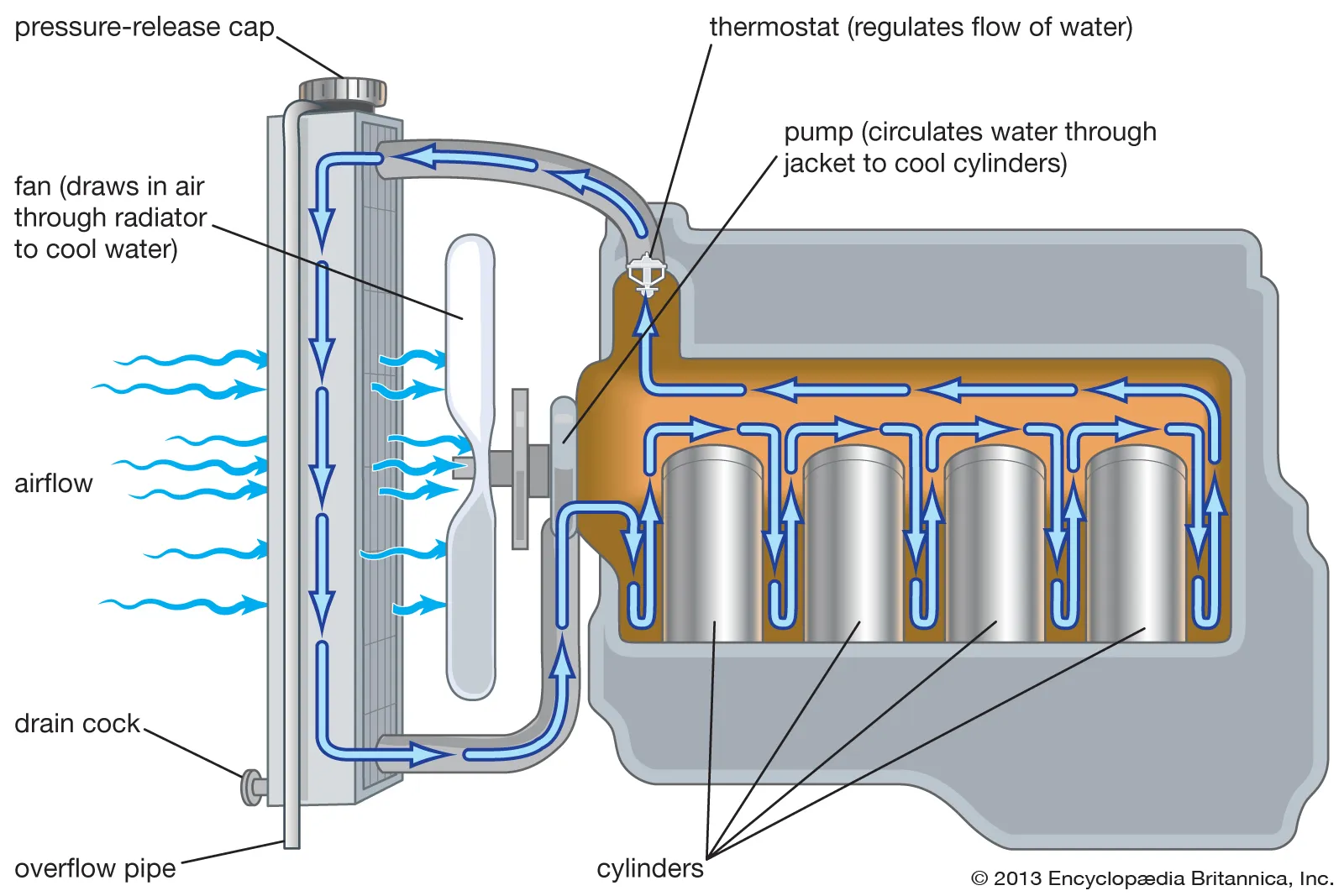
As commercial buildings become taller and more complex, traditional air-based cooling systems face limitations in efficiency and performance. Liquid cooling systems, which use water or other coolants to absorb and transfer heat, offer superior thermal management in high-density environments. These systems are particularly useful in data centers, laboratories, and other facilities where heat loads are concentrated and consistent cooling is critical.
Advanced heat exchange technologies, such as microchannel and plate heat exchangers, enhance the efficiency of liquid cooling systems. These designs maximize the surface area for heat transfer while minimizing the space required for installation. The result is a compact, high-performance cooling solution that can be tailored to demanding commercial applications.
Integration with Building Management Systems
Modern commercial buildings increasingly rely on integrated building management systems to optimize energy use and comfort. Cooling systems are now designed to work seamlessly with these platforms, allowing centralized control over multiple environmental factors. Integration with BMS enables automated scheduling, real-time monitoring, and energy optimization across lighting, HVAC, and ventilation systems.
This holistic approach ensures that cooling systems operate efficiently in coordination with other building functions, reducing energy waste and maintaining consistent environmental conditions. It also facilitates data-driven decision-making, providing building managers with actionable insights to improve performance and sustainability.
Noise Reduction and Enhanced Comfort
Commercial occupants expect not only effective cooling but also a comfortable and quiet environment. Innovations in cooling system design focus on reducing noise levels while maintaining high performance. Low-noise compressors, variable-speed fans, and advanced ductwork designs contribute to a quieter indoor environment, enhancing comfort for employees and visitors.
Additionally, improved humidity control and air circulation technologies ensure a consistent and pleasant indoor climate. These advancements are particularly important in open office spaces, conference rooms, and healthcare facilities, where noise and air quality directly impact productivity and wellbeing.
Future Trends in Commercial Cooling
Looking ahead, the future of cooling systems in commercial buildings is likely to be defined by further automation, renewable energy integration, and environmentally friendly materials. Emerging technologies such as thermally activated building systems, phase-change materials, and AI-optimized energy management are set to redefine efficiency and sustainability standards.
The adoption of smart, adaptive, and energy-efficient cooling systems will become increasingly necessary as regulatory pressures, climate concerns, and occupant expectations continue to rise. Buildings that invest in the latest innovations will not only benefit from reduced operational costs but also enhance their environmental credentials and overall occupant satisfaction.
Conclusion
Innovations in cooling systems are transforming commercial buildings by combining energy efficiency, smart technology, sustainability, and occupant comfort. From IoT-enabled monitoring and AI-driven predictive maintenance to renewable energy integration and advanced liquid cooling, these technologies provide versatile solutions for modern commercial spaces. As building demands evolve, staying ahead with the latest cooling system advancements is crucial for operational efficiency, environmental responsibility, and creating optimal indoor environments. The future of commercial cooling is smarter, greener, and more adaptive than ever before.
The keyword cooling systems has been seamlessly integrated throughout to emphasize the focus on these transformative technologies.