


Used Transmissions and Used ABS Modules: Affordable Fixes from Salvage Sources
Few things make you dread getting behind the wheel more than transmission trouble or an ABS warning light that won’t go away. Both are critical systems—your transmission gets power to the wheels smoothly, and the ABS module keeps your brakes from locking up during hard stops. When either starts failing, the symptoms are hard to ignore, and the repair quotes can make your stomach drop.
For transmissions, common red flags include slipping gears (engine revs high but acceleration lags), delayed or harsh shifts, refusal to engage drive or reverse, unusual whining/grinding noises, burning smell from fluid, fluid leaks under the car, or the vehicle shuddering/vibrating at certain speeds. These often point to worn clutches, bad solenoids, low/contaminated fluid, or internal damage. Ignoring them leads to complete failure, stranding you or causing bigger breakdowns.
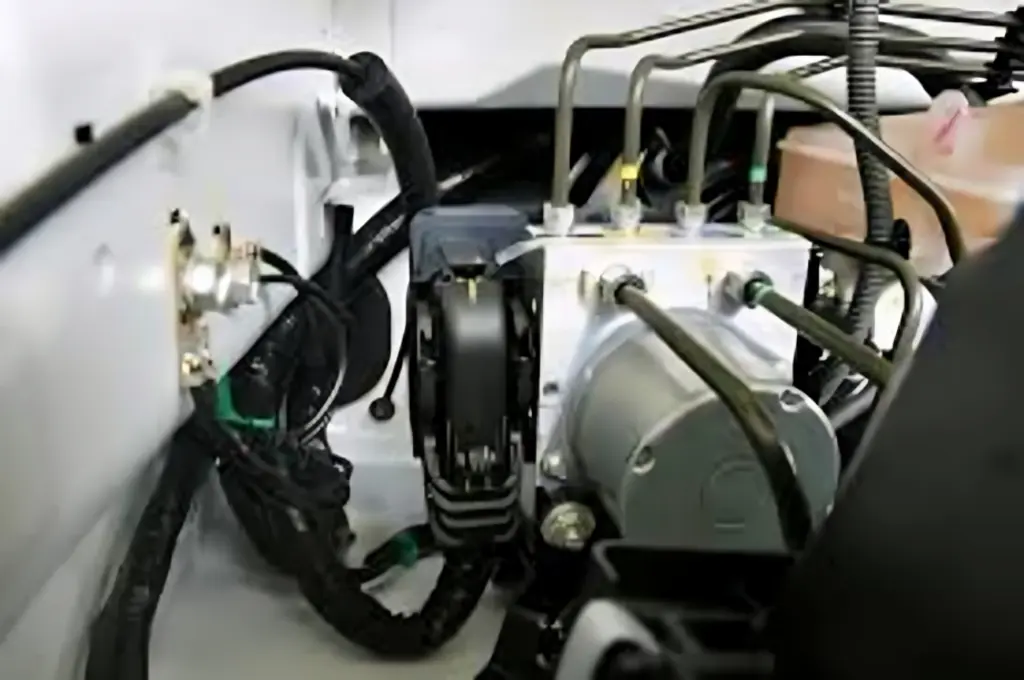
ABS module issues show up differently: the ABS light (or brake/traction control lights) stays on, brakes feel spongy or unresponsive, pedal pulses abnormally or not at all during hard stops, increased stopping distances, wheel lock-up on slick surfaces, or no ABS activation when it should (you feel the pedal vibrate in panic stops if it’s working). A bad module can disable the anti-lock function, making emergency braking riskier, especially in rain or snow.
New or remanufactured replacements? Expensive. A brand-new transmission can cost $1,500–$3,500+ for the part alone (more for trucks/SUVs), plus $1,000–$2,000 labor. Reman units (rebuilt with new internals) often run $2,000–$4,000. For ABS modules, new ones frequently hit $600–$1,300, with total replacement (including programming/labor) pushing $1,000–$2,000 or higher on some models. Dealership quotes can be even steeper.
This is where used transmissions and used ABS modules shine as practical alternatives. Sourced from salvage yards via platforms like Used Auto Parts Pro, these are genuine OEM parts pulled from wrecked vehicles—often low-mileage donors where the component wasn’t the failure point. A good used transmission might cost $800–$1,500 shipped, saving 50–70% off new/reman prices. Used ABS modules typically run $200–$600, often half or less than new, with quick availability.
Real stories back this up. One driver with a 2015 sedan had slipping and delayed shifts—shop quoted $4,500 for a reman transmission installed. He found a tested used unit from a low-mileage (under 60k) donor car for about $1,200 shipped. Local shop installed for $900—total under $2,200, and it’s shifted smoothly for years since. Similarly, a truck owner faced an ABS light and no pedal pulse in stops. Dealer wanted $1,400 for new module replacement. Online search turned up a used ABS module from a minor-wreck donor for $350, plus $400 install/programming—total $750, brakes felt safe again.
Why Used Parts from Salvage Are Often the Smart Choice
These aren’t gamble pulls from a random yard. Reputable sources inspect rigorously: transmissions get bench-tested for shifting, fluid condition checked (no burnt smell or metal flakes), gears/solenoids evaluated. ABS modules are tested for hydraulic function, electronics scanned for codes, and pump/clutch components verified. Many come from front/side-impact wrecks where the drivetrain or brake system stayed intact—low miles, no abuse.
Benefits go beyond price:
- Exact OEM fit — No compatibility issues like aftermarket mismatches that throw codes or fail early.
- Availability — Great for discontinued parts, older models, or rare specs (gear ratios, torque ratings, ABS programming).
- Warranty peace — Often 30 days free (sometimes longer), with returns if defective.
- Faster fixes — Stock from nationwide yards means quick shipping (24–48 hours start), less downtime.
- Eco impact — Reusing reduces manufacturing demand, cuts emissions, keeps vehicles roadworthy longer.
For transmissions, used often edges out reman because it’s original factory components (not a mix of new/used), especially if the donor was well-maintained. ABS modules benefit hugely—electronics are complex, and used tested ones avoid the high cost of new hydraulics/boards.
How to Shop and Install Without Issues
Start with your VIN—ensures perfect match for transmission type (auto/manual, speeds, ratios), torque specs, ABS calibration, sensors. Search by make/model/year/engine for options.
Prioritize listings with:
- Donor mileage (under 100k ideal)
- Test results (compression/shift for trans, hydraulic/electronic for ABS)
- Photos (multiple angles, no damage)
- Condition notes (clean fluid, no leaks)
For transmissions: Ask about fluid history, bench-run performance. Install involves flushing cooler lines, new filter/fluid, checking mounts—budget shop labor $800–$1,500. Test drive post-install for smooth shifts.
For ABS: Confirm module includes pump if integrated. Programming (dealer/tool) often needed—factor $200–$500. Install: bleed brakes, scan/clear codes, test in safe area (firm stop to feel pedal pulse). Replace related parts (wheel sensors if faulty) to avoid recurrence.
Red flags: Vague descriptions, no photos/history, sky-high-mileage donors, no warranty. Avoid private sales unless inspected.
Bottom Line: Save Big Without Sacrificing Safety or Reliability
Transmission or ABS failure doesn’t mean scrapping the car or maxing credit cards. A quality used transmission or used ABS module from salvage sources delivers dependable performance at a fraction of new/reman costs—often saving $1,000–$3,000+ per repair. With testing, warranties, and fast access, it’s low-risk for most vehicles.
Whether your daily driver is slipping gears or the ABS light is glaring, grab your VIN and check options. Used parts keep you safe on the road, your budget intact, and the car running longer—smart move in today’s repair climate.