


Nashville Flood Clean Up: Essential Tips for Homeowners Facing Water Damage
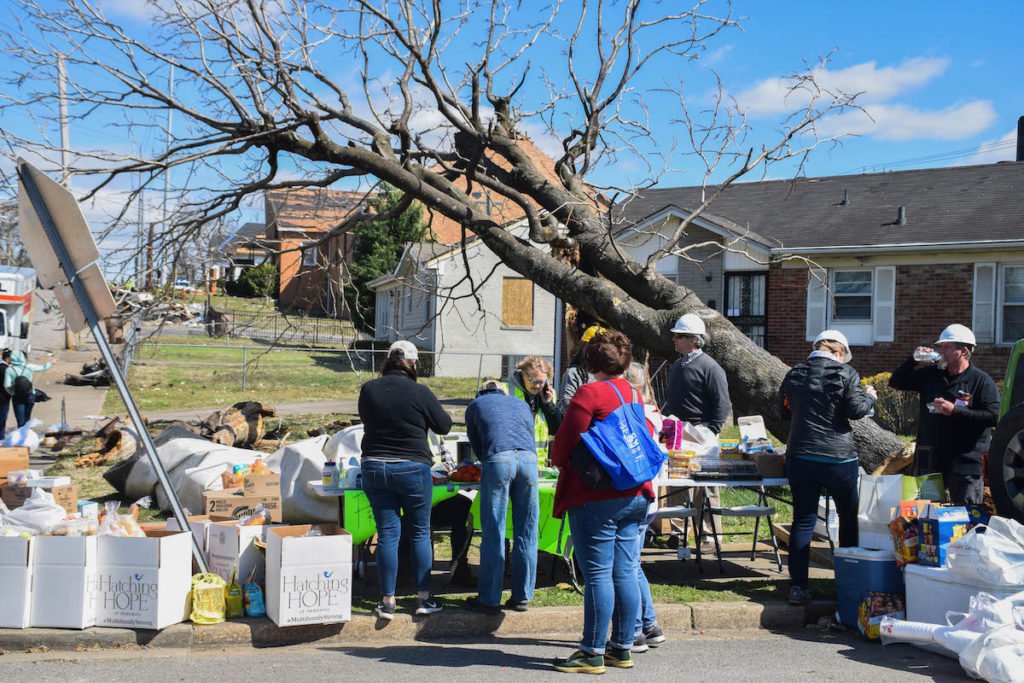
Experiencing a flood in your home is a stressful and overwhelming situation. From sudden storms to overflowing rivers, water damage can affect the structure of your property, personal belongings, and even your health. Understanding the best practices for Nashville flood clean up is critical to minimizing long-term damage and ensuring a safe recovery process. This guide provides essential tips for homeowners facing water damage, helping you navigate cleanup and restoration effectively.
Immediate Steps After a Flood
When floodwaters invade your home, acting quickly can significantly reduce damage. Safety should always be your first priority. Avoid wading through standing water unless necessary, as it may be contaminated or hide electrical hazards. Turn off the main power supply if it is safe to do so, and ensure your family is safe.
Contacting a professional Nashville flood clean up service as soon as possible is highly recommended. Experts have the equipment, experience, and knowledge to handle water removal efficiently. Rapid response can prevent mold growth and structural deterioration, which often begins within 24 to 48 hours after a flood.
Documenting the Damage
Before beginning the cleanup process, document all damage thoroughly. Take photographs and videos of affected areas, including furniture, appliances, walls, and flooring. This step is essential for insurance claims and helps restoration professionals understand the scope of the work required.
Keep records of receipts for any emergency purchases, such as dehumidifiers, pumps, or cleaning supplies. Insurance companies often require detailed evidence to process claims, and early documentation can speed up the approval process.
Water Removal and Drying
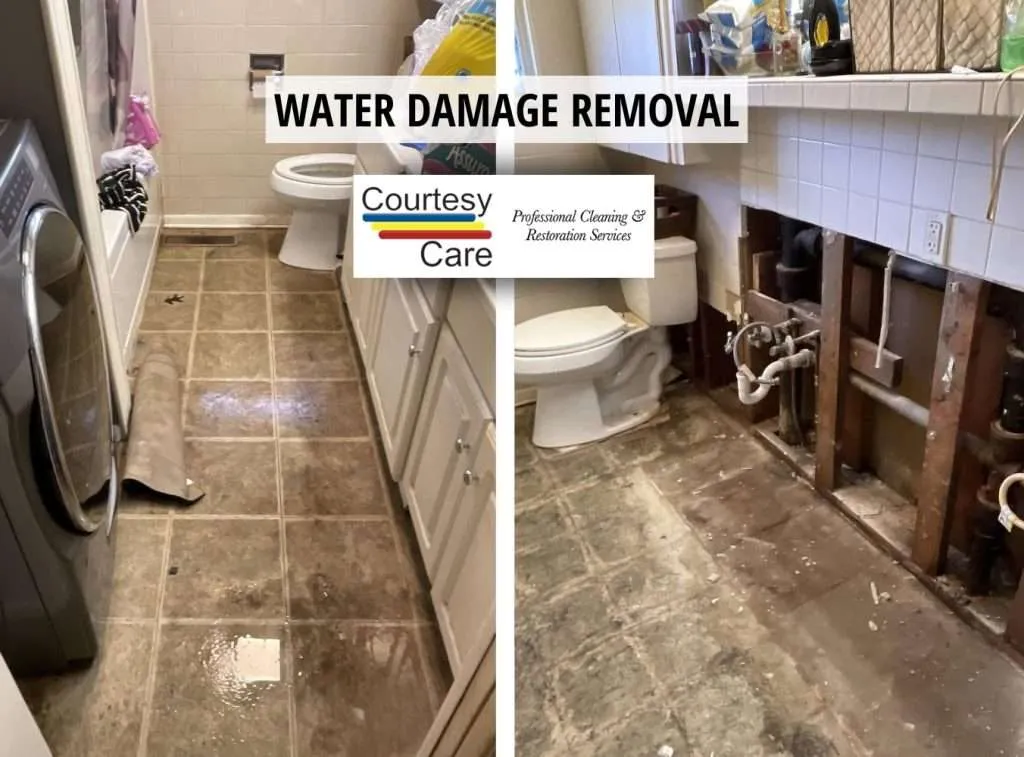
One of the most critical aspects of Nashville flood clean up is removing standing water from your home. Depending on the severity of the flooding, this may involve pumps, wet/dry vacuums, or professional-grade water extraction equipment. It is important to address water intrusion promptly to avoid structural damage and mold infestation.
After removing the standing water, thorough drying of the home is necessary. Open windows and doors to encourage airflow, use fans and dehumidifiers, and remove wet materials like carpets or rugs to accelerate drying. Professionals often use industrial-grade drying equipment to ensure hidden moisture is eliminated from walls, flooring, and insulation.
Cleaning and Sanitizing Affected Areas
Floodwater often contains harmful bacteria, chemicals, and debris, making sanitization a critical step in Nashville flood clean up. Non-porous surfaces such as tile, metal, and sealed wood can usually be cleaned with water and disinfectants. Porous materials like carpets, upholstery, and drywall may require specialized cleaning or replacement if contaminated.
Be sure to wear protective clothing, gloves, and masks when handling contaminated materials. Proper cleaning not only restores the home but also reduces health risks associated with mold and bacteria. Professional cleanup services follow strict safety protocols to ensure thorough disinfection.
Mold Prevention
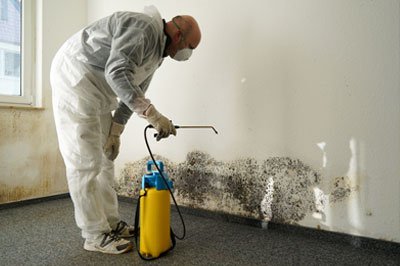
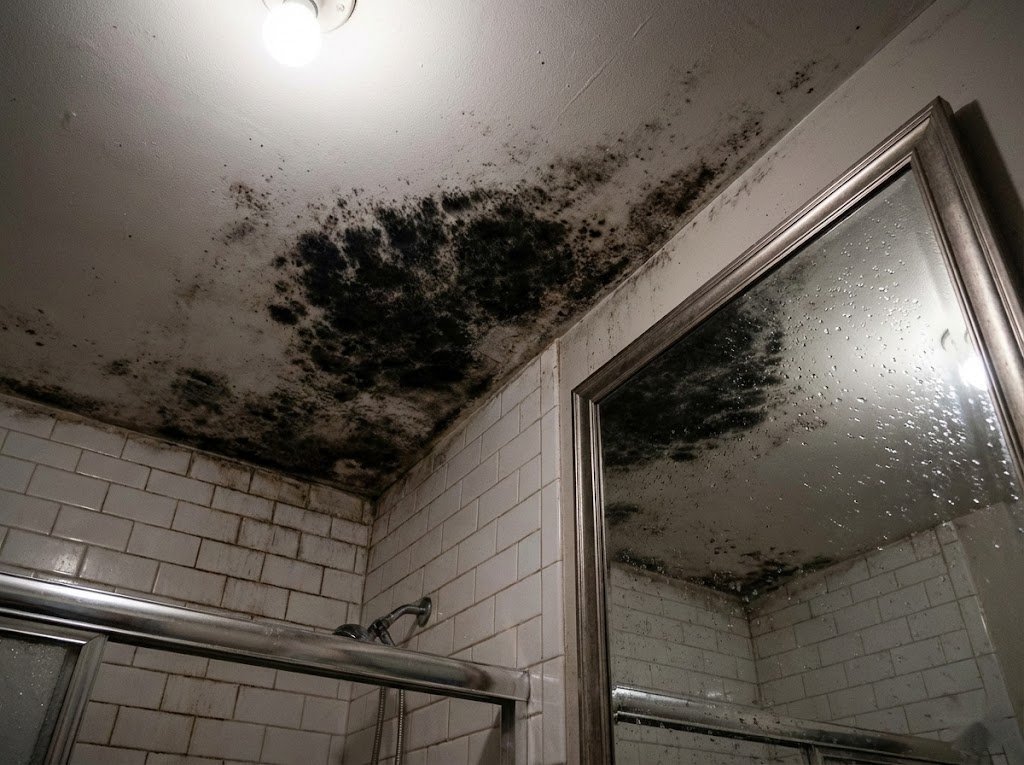
Mold can develop quickly in damp environments and pose serious health risks. Homeowners should take proactive measures to prevent mold growth after flooding. This includes maintaining low humidity levels, using dehumidifiers, and keeping the home well-ventilated during the drying process.
Inspect walls, ceilings, and hidden spaces like behind cabinets for signs of mold. Even small areas of mold should be addressed immediately, as spores can spread rapidly. Professional restoration companies often use antimicrobial treatments to prevent mold from taking hold.
Salvaging Belongings
Flood damage does not always mean everything is lost. Homeowners can salvage certain items if they act quickly. Non-porous items like plastic containers, metal furniture, and sealed electronics may be cleaned and dried. For fabrics and upholstered items, prompt washing and drying can sometimes restore them, but heavily soaked materials may need replacement.
Always assess the condition of each item carefully. Attempting to restore items that are beyond repair can be unsafe and may result in further contamination. Restoration professionals can provide guidance on what can be saved versus what needs disposal.
Repairing Structural Damage
Water can weaken the structural integrity of your home, affecting walls, flooring, and foundations. Nashville flood clean up often involves assessing and repairing any structural damage caused by prolonged exposure to water. Professional contractors can inspect the property and recommend appropriate repairs, including replacing damaged drywall, reinforcing weakened flooring, and sealing leaks to prevent future flooding.
Addressing structural damage early is essential to maintaining your home’s safety and value. Delaying repairs may lead to more extensive problems over time.
Working with Insurance
Flood cleanup and restoration can be costly, making it important to work closely with your insurance company. Provide documentation of all damage, receipts, and reports from restoration professionals. Understanding your policy coverage, including limits for water damage and temporary housing, ensures you receive the support needed for recovery.
Many insurance companies require professional assessment of damage for claims related to Nashville flood clean up. Engaging with certified restoration services can simplify the process and provide credible evidence of the work required.
Choosing a Professional Nashville Flood Clean Up Service
Not all cleanup services are equal. When selecting a company, consider their experience, certifications, and reputation. Look for services that offer emergency response, advanced water extraction equipment, and comprehensive restoration plans. Companies with experience in Nashville flood clean up understand the local environment and challenges, enabling faster and more efficient recovery.
Read reviews, ask for references, and inquire about the specific techniques and equipment used for water removal, drying, and mold prevention. Choosing the right professional service can save time, money, and stress during an already challenging situation.
Long-Term Prevention
After successfully restoring your home, consider steps to reduce the risk of future flooding. Installing sump pumps, improving drainage around your property, sealing foundations, and elevating electrical systems can mitigate damage in future events. Regular maintenance and monitoring for water intrusion are key to long-term protection.
Education on local flood risks and emergency preparedness can also make a significant difference. Knowing how to respond quickly and having a plan in place ensures you are better prepared for potential flooding in the future.
Conclusion
Flooding is a disruptive and potentially dangerous experience, but prompt action and proper Nashville flood clean up strategies can minimize damage and protect your home. By prioritizing safety, removing water quickly, sanitizing affected areas, and addressing structural issues, homeowners can recover more efficiently. Working with professional restoration services and understanding insurance coverage further supports a smooth recovery. Implementing preventative measures afterward helps safeguard your property against future water damage, providing peace of mind for years to come.
Nashville flood clean up is a multifaceted process that requires urgency, knowledge, and careful planning. By following these essential tips, homeowners can navigate the aftermath of flooding with confidence and protect both their property and health.