



Learn More About Plumbing: A Beginner-Friendly Guide to Plumbing Basics and Common Solutions
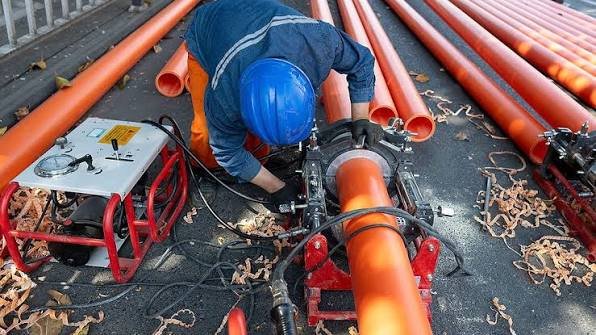
Plumbing is an essential part of every home and building, yet many people only think about it when a problem occurs. From leaking faucets and clogged drains to water heater issues and pipe repairs, understanding how plumbing systems work can help homeowners make better decisions and prevent expensive damage. If you want to learn more about plumbing, gaining knowledge about basic components, common issues, maintenance practices, and practical solutions is a great place to start.
Understanding the Basics of a Plumbing System
A plumbing system is designed to deliver clean water into a property and remove wastewater safely. It consists of different pipes, fixtures, valves, drains, and appliances that work together to maintain a reliable water supply and sanitation system. The two main parts of plumbing are the water supply system and the drainage system.
The water supply system brings fresh water from a main source into the building. Pipes distribute water to sinks, showers, toilets, washing machines, and other fixtures. The drainage system carries used water and waste away through drain pipes and connects to sewer lines or septic systems.
When you learn more about plumbing, it becomes easier to understand why every component has an important role. A small issue in one area, such as a blocked drain or damaged pipe, can affect the entire system if it is ignored.
Common Plumbing Components Every Beginner Should Know
Several important parts make up a plumbing system. Pipes are one of the most recognizable components because they transport water throughout the building. Different materials, including copper, PVC, PEX, and galvanized steel, are used depending on the application and building requirements.
Faucets and fixtures control water flow and allow people to use water conveniently. Toilets, sinks, showers, and bathtubs all rely on proper plumbing connections to function correctly. Valves are another important component because they control water pressure and allow sections of the system to be turned off during repairs.
Drain traps are designed to prevent unpleasant sewer gases from entering living spaces. These curved sections of pipe hold a small amount of water that creates a protective barrier. Understanding these basic parts is useful for anyone who wants to learn more about plumbing and handle simple maintenance tasks.
Common Plumbing Problems and Their Solutions
Every property experiences plumbing issues at some point. Knowing how to identify common problems can help prevent serious damage and unnecessary repair costs.
One of the most common plumbing problems is a clogged drain. Hair, soap residue, food particles, and grease can build up inside pipes and slow down water flow. Using a plunger, drain snake, or suitable cleaning method can often solve minor blockages. However, repeated clogs may indicate a deeper issue that requires professional inspection.
Leaking faucets are another frequent problem. A dripping faucet may seem minor, but it can waste a significant amount of water over time. In many cases, replacing a worn-out washer, cartridge, or seal can restore proper function.
Low water pressure is another issue homeowners often experience. It may be caused by mineral buildup, pipe corrosion, leaks, or problems with the main water supply. Identifying the cause is important before attempting repairs.
Running toilets are also common and can increase water bills. The problem is often related to faulty internal parts such as the flapper valve, fill valve, or float mechanism. Replacing damaged components is usually a simple and affordable solution.
The Importance of Plumbing Maintenance
Regular maintenance is one of the best ways to avoid unexpected plumbing emergencies. Simple habits can extend the lifespan of pipes, fixtures, and appliances while improving system efficiency.
Checking for leaks regularly is an important maintenance step. Small leaks under sinks, around toilets, or near appliances can lead to water damage, mold growth, and structural problems if left untreated.
Cleaning drains carefully also helps maintain good water flow. Avoid pouring grease, chemicals, or harmful materials into drains because they can damage pipes and create blockages. Using drain covers can help prevent unwanted materials from entering the plumbing system.
Water heaters also require regular attention. Flushing sediment from the tank, checking temperature settings, and inspecting connections can improve performance and energy efficiency. Anyone who wants to learn more about plumbing should understand that preventive care is often more valuable than emergency repairs.
Basic Plumbing Tools for Beginners
Having the right tools can make simple plumbing tasks easier. A basic plumbing toolkit may include a plunger, adjustable wrench, pipe wrench, screwdriver set, plumber’s tape, bucket, gloves, and drain snake.
A plunger is useful for clearing many minor clogs, while plumber’s tape helps create secure seals around threaded pipe connections. Adjustable wrenches are helpful for tightening or removing plumbing fittings.
Although basic tools can solve many small problems, beginners should know their limits. Complex repairs involving gas lines, major leaks, sewer systems, or extensive pipe replacement should be handled by qualified professionals.
Understanding When to Call a Professional Plumber
While many homeowners can manage simple fixes, some situations require expert assistance. Professional plumbers have specialized training, experience, and equipment to diagnose problems accurately and complete repairs safely.
Major leaks, burst pipes, sewer backups, water heater failures, and complicated installations should not be ignored. Attempting advanced repairs without proper knowledge can increase damage and lead to higher costs.
When you learn more about plumbing, you also learn the importance of recognizing when professional help is necessary. A skilled plumber can provide long-term solutions instead of temporary fixes.
Improving Plumbing Efficiency and Saving Water
Modern plumbing practices focus on efficiency and sustainability. Installing low-flow faucets, water-saving toilets, and energy-efficient water heaters can reduce water consumption and lower utility expenses.
Fixing leaks quickly is another effective way to conserve water. Even a small dripping faucet can waste many gallons over time. Smart plumbing upgrades not only protect the environment but also improve household savings.
Homeowners who want to learn more about plumbing should explore energy-efficient options and understand how modern technology can improve everyday water usage.
Final Thoughts on Plumbing Basics
Understanding plumbing basics helps homeowners become more confident when dealing with everyday issues. Learning about pipes, fixtures, maintenance methods, common problems, and repair solutions provides valuable knowledge that can prevent costly mistakes.
Whether you are maintaining a home, managing a property, or simply trying to understand how your water system works, taking time to learn more about plumbing can make a significant difference. With basic knowledge and proper care, you can keep your plumbing system working efficiently and recognize problems before they become major concerns.