


How to Tackle Water Damage Cleaning Like a Pro
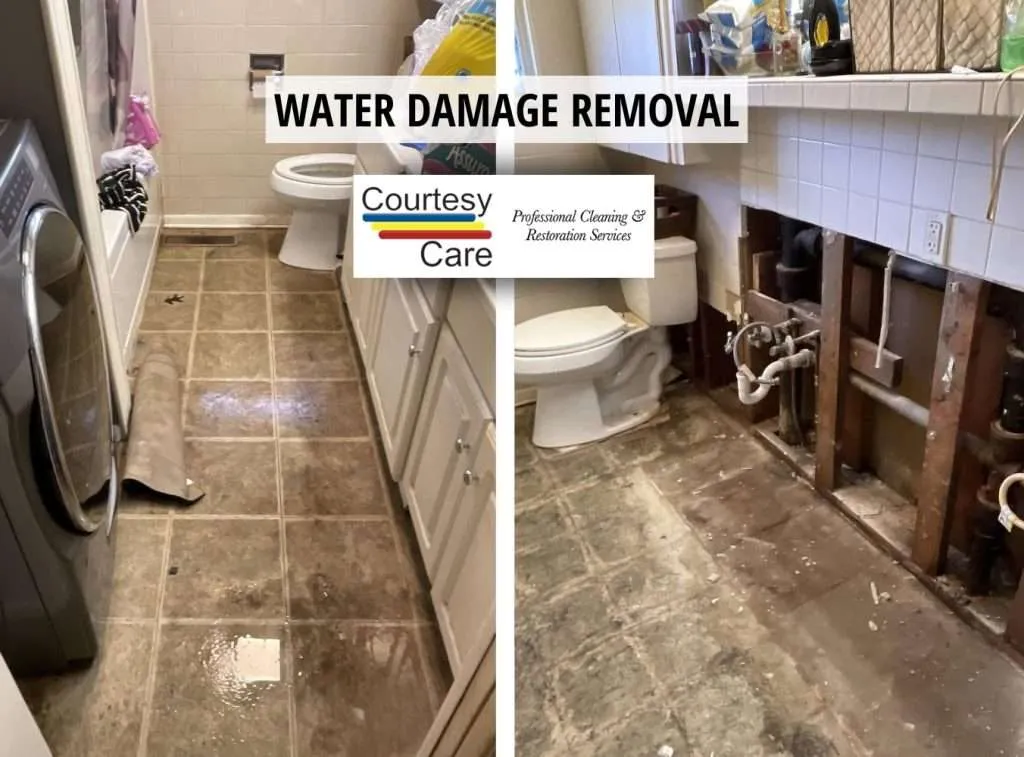
Water damage can strike unexpectedly, leaving behind a trail of destruction in your home or workplace. From burst pipes to flooding, the aftermath can be overwhelming. Effective water damage cleaning is crucial not only to restore your property but also to prevent long-term problems such as mold growth and structural damage. Handling this process like a professional requires knowledge, preparation, and the right tools.
Understanding the Risks of Water Damage
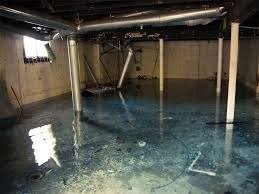
Before diving into cleaning, it’s essential to understand the risks associated with water damage. Water can seep into walls, floors, and furniture, creating hidden pockets of moisture that may compromise structural integrity. Additionally, standing water can become a breeding ground for bacteria and mold, leading to health hazards. Quick and thorough water damage cleaning reduces these risks, ensuring a safer environment.
Assessing the Extent of the Damage
The first step in professional water damage cleaning is a thorough assessment. Check all affected areas, including floors, walls, ceilings, and furniture. Determine whether the water is clean, gray, or black, as the type of water affects the cleaning approach. Clean water, such as from a burst pipe, is less hazardous than black water from sewage or floodwaters. Documenting the damage is also crucial, especially for insurance purposes.
Safety First: Protecting Yourself
Water damage cleaning can expose you to electrical hazards, contaminants, and structural weaknesses. Before starting, turn off electricity in affected areas. Wear protective gear, including gloves, boots, and masks, to prevent injury and illness. Professionals often use moisture meters and infrared cameras to detect hidden water pockets safely. Prioritizing safety ensures that the cleanup process doesn’t create new risks.
Removing Standing Water Quickly
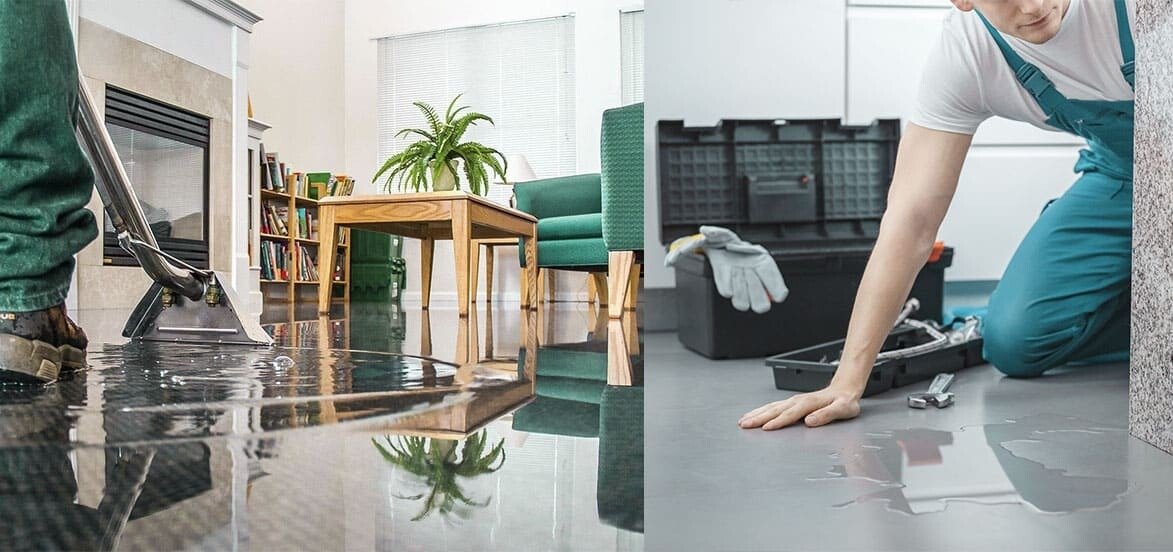
One of the most critical steps in water damage cleaning is removing standing water as soon as possible. The longer water sits, the more damage it can cause. Use pumps, wet/dry vacuums, or buckets depending on the severity. Professionals often use industrial-grade equipment to speed up this process and prevent further absorption into materials.
Drying and Dehumidifying Affected Areas
After removing standing water, drying the area is essential to prevent mold growth. Use fans, dehumidifiers, and open windows to increase air circulation. For porous materials like carpets and drywall, drying may require professional-grade heaters and air movers. Moisture meters help track drying progress, ensuring all hidden areas are fully dry before proceeding.
Cleaning and Sanitizing Surfaces
Water can carry bacteria, mold spores, and other contaminants. Effective water damage cleaning involves thorough cleaning and sanitization of all affected surfaces. Use appropriate cleaning solutions for different materials, such as wood, tile, or fabric. Disinfecting helps prevent mold growth and protects your health. For severe cases, professionals may apply antimicrobial treatments to prevent future infestations.
Salvaging Furniture and Belongings
Not all items affected by water can be saved, but prompt action can rescue many. Remove wet items from the affected area and dry them separately. Upholstered furniture may require professional cleaning, while wooden furniture can be dried and treated with sealants to prevent warping. Items like electronics may need specialized restoration services to recover functionality.
Handling Mold Growth
Mold can develop within 24 to 48 hours after water exposure. During water damage cleaning, keep an eye out for musty odors, discoloration, or visible mold. Small patches may be cleaned with a mixture of water and detergent, but larger infestations require professional remediation. Mold not only damages materials but can also pose serious health risks, so prompt attention is critical.
Restoring Structural Integrity
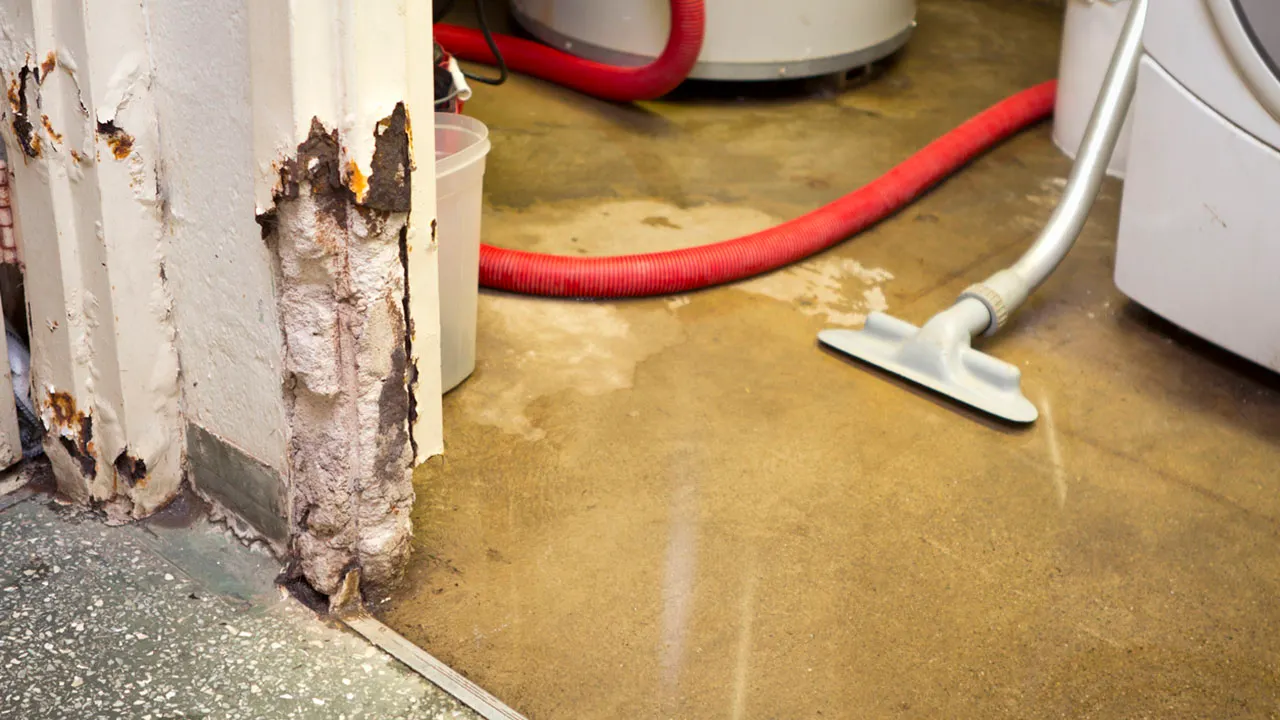
Water can weaken floors, walls, and foundations. After cleaning and drying, inspect structural elements for damage. Replace or reinforce compromised materials to ensure safety. Professionals may use moisture meters to detect residual dampness inside walls or flooring before repairs. Proper restoration prevents future problems and restores your property’s strength and stability.
Preventing Future Water Damage
Once your space is clean and dry, take steps to minimize future water damage. Regularly inspect plumbing, roofing, and drainage systems. Seal gaps in walls and floors, and consider installing water alarms or sump pumps in vulnerable areas. Proactive measures reduce the likelihood of needing extensive water damage cleaning in the future.
Knowing When to Call Professionals
While minor water incidents can be managed independently, some situations require professional expertise. If water covers a large area, involves black water, or affects electrical systems, professional water damage cleaning ensures safety and thorough restoration. Professionals have specialized equipment, knowledge, and experience to handle complex cases efficiently.
Choosing the Right Cleaning Products
Selecting the proper cleaning products is vital for effective water damage cleaning. Use non-toxic, mold-resistant, and antibacterial solutions. Avoid mixing chemicals unless recommended, as this can create hazardous fumes. Professionals often use industrial-strength cleaners designed for water damage, which ensures deep cleaning without harming surfaces.
Efficient Disposal of Contaminated Materials
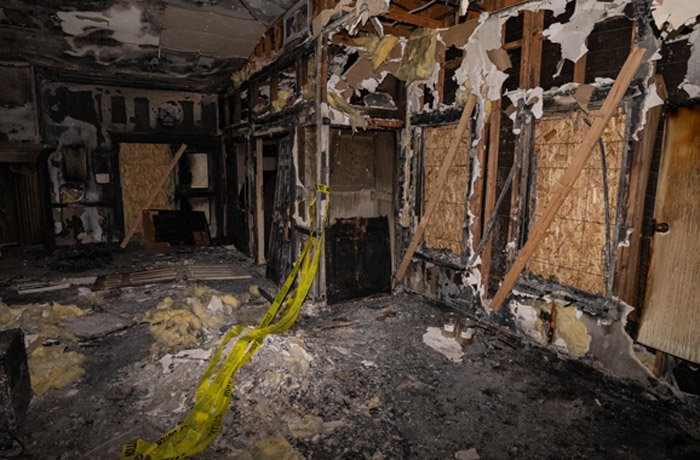
Water-damaged materials that cannot be salvaged must be disposed of safely. This includes drywall, insulation, carpets, and furniture contaminated by black water or mold. Proper disposal prevents contamination from spreading and complies with local regulations. Professionals often coordinate with waste management services to handle hazardous materials correctly.
Documenting the Cleanup Process
For insurance and personal records, document every step of your water damage cleaning. Take photos before, during, and after cleanup. Keep receipts for materials, equipment rentals, and professional services. Proper documentation can support insurance claims and serve as a reference for future maintenance or emergency situations.
Maintaining a Clean and Safe Environment
After the immediate cleanup, maintaining a clean, dry environment is key. Regularly check for leaks, monitor humidity levels, and clean surfaces to prevent mold or bacteria buildup. Consistent maintenance ensures your space remains safe and resilient against future water incidents.
Conclusion
Handling water damage cleaning like a professional involves preparation, quick action, and meticulous attention to detail. By assessing the damage, prioritizing safety, removing water, drying thoroughly, cleaning and sanitizing surfaces, and restoring structural integrity, you can minimize damage and protect your health. Prevention and maintenance further reduce risks, ensuring that your property remains safe and secure. Whether tackling a small leak or a major flood, following these steps helps you approach water damage cleaning with confidence and expertise.
This guide equips you with the knowledge to restore your property effectively while avoiding common pitfalls, making your cleanup process efficient, safe, and professional.