

How Flood Restoration Services Work
Flooding can strike unexpectedly, leaving behind damaged property, contaminated water, and emotional stress for homeowners and businesses. In such situations, a professional flood restoration service becomes essential to bring a property back to its safe and livable condition. These services follow a structured, step-by-step process designed to remove water, repair damage, and prevent long-term issues like mold growth and structural weakening.
Understanding how a flood restoration service works helps property owners know what to expect and why quick action is so important after water damage occurs.
Immediate response after a flood
The first stage of any flood restoration service is rapid response. Time is critical because standing water can quickly seep into floors, walls, and furniture, causing further damage every hour it remains untreated.
Restoration teams typically operate 24/7 because emergencies don’t wait for business hours. Once contacted, they arrive at the site with specialized equipment to assess the situation and begin damage control immediately. The primary goal at this stage is to stop the water from spreading and prevent additional loss.
A professional flood restoration service also prioritizes safety. Before entering, technicians check for electrical hazards, gas leaks, and structural instability to ensure the environment is safe to work in.
Assessment and inspection
After securing the site, the next step is a detailed inspection. The restoration team evaluates the extent of water damage, identifies the source of flooding, and determines the category of water involved—clean, gray, or black water.
This assessment helps the flood restoration service create a proper action plan. Technicians inspect walls, flooring, insulation, furniture, and hidden areas where moisture may have seeped in. Advanced tools such as moisture meters and infrared cameras are often used to detect water trapped inside structures.
This step is crucial because it ensures no hidden damage is overlooked, which could otherwise lead to long-term issues even after visible drying is complete.
Water extraction process
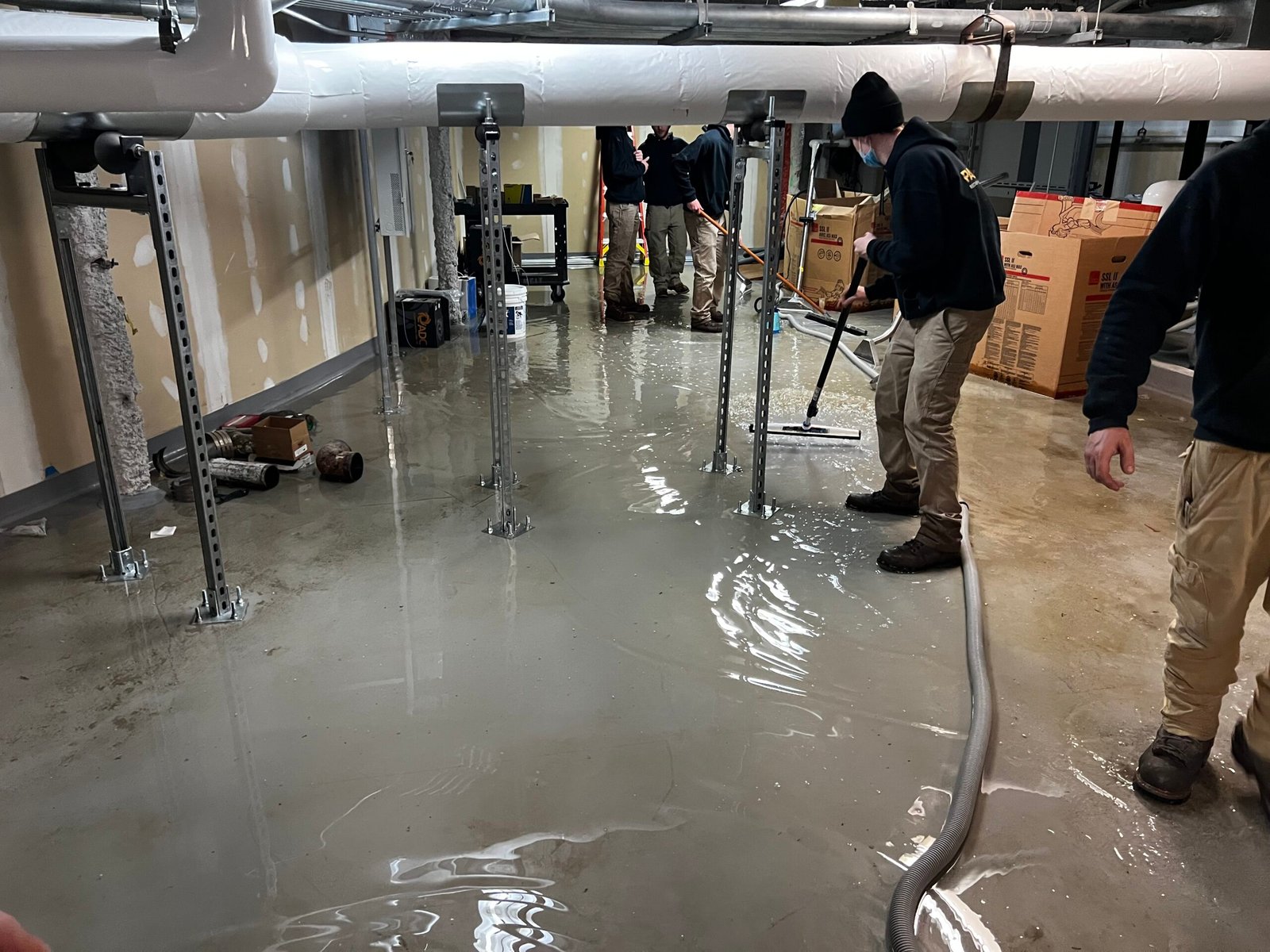
Once the assessment is complete, the most urgent task begins—removing standing water. Industrial-grade pumps and vacuums are used to extract large volumes of water quickly and efficiently.
A reliable flood restoration service focuses on speed during this stage because stagnant water increases the risk of mold growth, structural damage, and contamination. Carpets, rugs, and furniture may also be removed or lifted to allow deeper water extraction.
In severe cases, parts of flooring or drywall may need to be temporarily removed to access trapped water underneath surfaces. The goal is to eliminate as much moisture as possible before the drying phase begins.
Drying and dehumidification
After water removal, the property may still retain moisture within walls, furniture, and flooring. This is where the drying process becomes essential.
A flood restoration service uses high-powered air movers and dehumidifiers to eliminate remaining moisture from the environment. Air movers increase airflow across wet surfaces, while dehumidifiers pull moisture from the air, speeding up evaporation.
This stage can take several days depending on the severity of the flood. Technicians regularly monitor humidity levels and moisture readings to ensure everything is drying evenly and thoroughly.
Proper drying is important because even small amounts of leftover moisture can lead to mold growth or long-term structural damage.
Cleaning and sanitization
Floodwater often contains bacteria, chemicals, or sewage, especially in severe flooding cases. That is why cleaning and sanitization are key steps in any professional flood restoration service.
All affected surfaces are cleaned using specialized antimicrobial and disinfectant treatments. Furniture, carpets, and personal belongings are also sanitized or removed if they cannot be safely restored.
Odor removal treatments may also be used to eliminate the musty smell left behind by floodwater. The goal is to ensure the property is not only dry but also safe and hygienic for occupants.
Damage repair and restoration
Once the property is clean and dry, the actual restoration work begins. This step brings the property back to its original condition or as close as possible.
A flood restoration service may repair or replace damaged drywall, flooring, insulation, and electrical systems. In some cases, repainting and structural reconstruction are necessary.
The extent of this stage depends on how severe the flooding was. Minor water damage may require only cosmetic repairs, while major floods can involve extensive rebuilding efforts.
This phase is what truly restores the property’s functionality and appearance.
Mold prevention and treatment
One of the biggest risks after flooding is mold growth. Mold can begin forming within 24 to 48 hours in damp conditions, making prevention a top priority.
A professional flood restoration service applies antimicrobial treatments to affected areas to stop mold spores from spreading. They also ensure that humidity levels are properly controlled during drying to reduce the risk of future growth.
If mold is already present, specialized remediation techniques are used to safely remove it without contaminating other areas of the property.
Equipment used in flood restoration
Modern flood restoration service providers rely on advanced equipment to ensure efficiency and accuracy. Common tools include:
- High-powered water extraction pumps
- Industrial air movers
- Commercial dehumidifiers
- Moisture detection meters
- Thermal imaging cameras
- Sanitizing and deodorizing machines
These tools allow technicians to work faster and more effectively than traditional cleaning methods, ensuring deeper restoration and better long-term results.
Why professional flood restoration services matter
Some property owners may consider handling water damage themselves, but professional help offers significant advantages. A trained flood restoration service not only removes visible water but also addresses hidden moisture, contamination risks, and structural concerns.
Professionals have the expertise to identify problems that are not immediately visible, such as water trapped behind walls or under flooring. They also reduce the risk of mold growth and long-term property damage by following a structured restoration process.
Additionally, insurance claims are often easier to process when a certified restoration company provides documentation and damage reports.
Conclusion
Flooding can be overwhelming, but recovery becomes much more manageable with the help of a professional flood restoration service. From immediate response and water extraction to drying, cleaning, and full restoration, each step is carefully designed to restore safety and normalcy.
By acting quickly and relying on trained experts, property owners can minimize damage, reduce costs, and protect their health. A well-executed restoration process not only repairs physical damage but also restores peace of mind after a stressful event.