



Layer-by-layer rewriting: a method to improve the semantic density of a text
Most editing happens in a single undifferentiated pass: the writer re-reads the draft, improves what strikes them as improvable, and moves on. This approach works reasonably well for short, simple texts. For complex content where multiple dimensions of quality need to be improved simultaneously, it fails. The reason is simple: single-pass editing distributes attention across too many variables at once, making it unlikely that any of them will be addressed thoroughly. Layer-by-layer rewriting is the structural alternative.
What layer-by-layer rewriting is
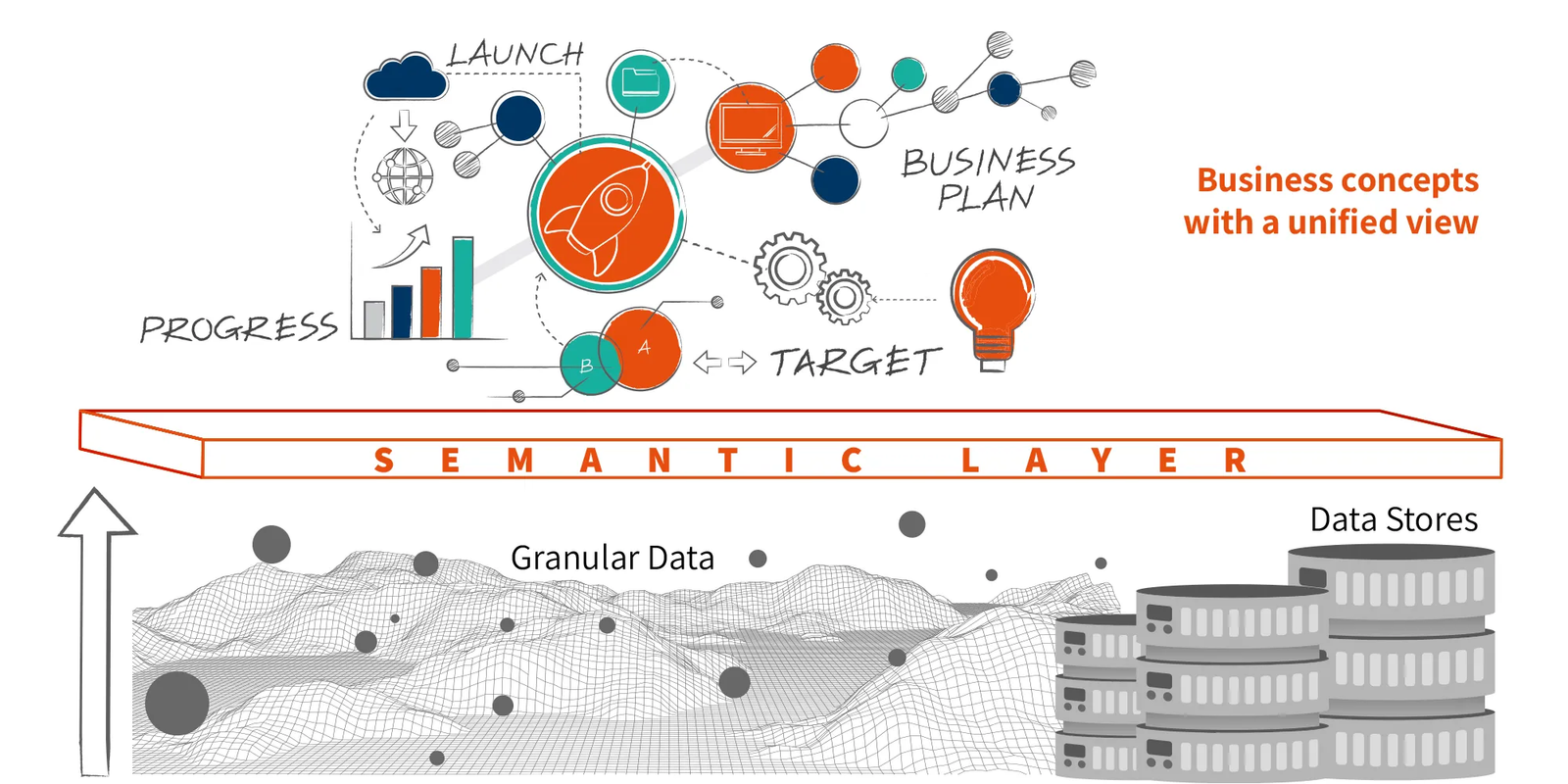
Layer-by-layer rewriting treats a text as a stack of distinct quality dimensions, each of which can be addressed in a separate, focused pass. The typical layers for a piece of content are: structural coherence (does the argument progress logically?), semantic density (does the vocabulary cover the topic’s full range?), stylistic clarity (is the language direct and accessible?), and factual accuracy (is the content correct and current?). Each layer is addressed in sequence, with full attention devoted to that dimension before moving to the next.
The advantage of this approach is not only thoroughness. It is cognitive efficiency. Editing for structure requires thinking about argument and progression. Editing for semantic density requires thinking about vocabulary and related concepts. Editing for clarity requires thinking about sentence-level expression. These are genuinely different cognitive modes, and switching between them repeatedly in a single pass degrades performance in all of them. Separating them allows each to be performed at full capacity.
The structural layer
The first layer addresses the overall architecture of the text. At this level, the editor asks: does the piece have a clear central claim? Is the argument built coherently from introduction to conclusion? Do sections follow a logical sequence? Are there gaps in the argument, or places where the text makes an inferential leap that the reader is not equipped to follow? These questions are answered at the section level, not the sentence level, and they often require moving or reconceiving entire paragraphs rather than improving individual sentences.
This is the layer that is most often skipped in single-pass editing, because structural problems are harder to perceive when attention is simultaneously engaged with word-level issues. Separating the structural pass makes these problems visible and addressable before the writer has invested time in polishing prose that may need to be restructured.
The semantic layer
The semantic layer addresses vocabulary range, conceptual coverage and the density of relevant terminology present in the text. A text that covers a topic through a narrow vocabulary range, regardless of how clearly it is written, misses the opportunity to demonstrate genuine topical depth. The semantic pass identifies which key terms appear only once or not at all, which related concepts are absent, and which passages could be reformulated to introduce more varied and specific language without changing their meaning.
This is where structured content rewriting tools are most useful. The mechanical work of identifying semantic gaps and generating alternative phrasings can be substantially accelerated by tools designed for this purpose. The editorial judgment about which alternatives to select remains human. The exploration of the available range is tool-assisted.
The stylistic layer
The stylistic layer addresses clarity, readability and register. At this level, the editor looks for sentences that are unnecessarily long or complex, passive constructions that obscure agency, abstract nouns that could be replaced by concrete ones, and inconsistencies in tone or register across the piece. Stylistic clarity is not about simplification for its own sake. It is about ensuring that the complexity of the ideas is not amplified by complexity of expression.
The stylistic pass also catches the kinds of errors that single-pass editing misses because the editor’s attention was elsewhere: the sentence that makes sense individually but creates ambiguity in context, the transition that is too abrupt, the conclusion that does not quite follow from the argument that precedes it. These issues are clearest when the structural and semantic layers have already been addressed and the editor can attend to expression alone.
Making it practical
Layer-by-layer rewriting does not require more total editing time than single-pass editing. It redistributes that time across separate sessions with clearer objectives. A writer who edits for structure in one session, for semantic density in a second, and for stylistic clarity in a third, typically produces better results than one who spends the same total time in a single unfocused pass. The method is compatible with augmented writing tools at each layer, using different tool capabilities at each phase. Focused revision, layer by layer, is one of the most reliably improvable writing habits a content creator can develop.