Introduction
Buying an emu egg for the first time can be an exciting experience, especially for people interested in poultry breeding, farm projects, exotic birds, or unique culinary ingredients. Emu eggs are known emu egg for sale near me for their impressive size, distinctive dark green shells, and unusual appearance. However, before making a purchase, it is important to understand the different types of emu eggs available, how to evaluate their quality, and what to expect from local sellers.
Searching for emu eggs locally can make the buying process more convenient. Customers may be able to speak directly with breeders, inspect eggs in person, and learn more about their origin and handling. Whether you want an egg for incubation, cooking, or decorative purposes, following a few practical tips can help you make a suitable choice.
Understand Why You Want to Buy an Emu Egg
The first step is identifying your intended use. Emu eggs are sold for several purposes, and the right choice depends on your plans.
If you want to hatch an emu chick, you need a fertile hatching egg from a reputable breeder. Fertility, handling, storage, and transportation conditions can all influence the likelihood of successful incubation. Even a fertile egg cannot guarantee a successful hatch.
For culinary purposes, you should look for eggs specifically sold for human consumption. Ask the seller about freshness, collection practices, storage, and food-safety requirements. Emu eggs are much larger than ordinary chicken eggs, making them an interesting option for special meals or gatherings.
Some customers purchase empty or unfertilized emu eggs for crafts, collections, or decorative displays. These products have different requirements from eggs intended for eating or hatching.
Understanding your purpose before contacting sellers will help you avoid confusion and choose an appropriate product.
Search for Reputable Local Emu Egg Sellers
Finding a nearby seller is often more convenient than ordering from a distant supplier. Local farms, specialist bird breeders, and small agricultural businesses may occasionally offer emu eggs, depending on the season and regional availability.
Begin by asking local poultry keepers, agricultural communities, or experienced exotic-bird enthusiasts whether they know reliable suppliers. Personal recommendations can help you identify sellers with a positive reputation and practical breeding experience.
When evaluating a seller, look for clear communication and a willingness to answer questions. A trustworthy breeder should explain where the eggs come from, how they are collected, and how they have been stored.
Be cautious of sellers who make unrealistic promises about fertility or hatching success. Natural breeding conditions and incubation variables mean that no seller can guarantee every fertile egg will develop into a healthy chick.
It is also sensible to confirm that keeping emus, buying their eggs, and transporting them are permitted under applicable local regulations.
Examine the Egg’s Appearance and Condition
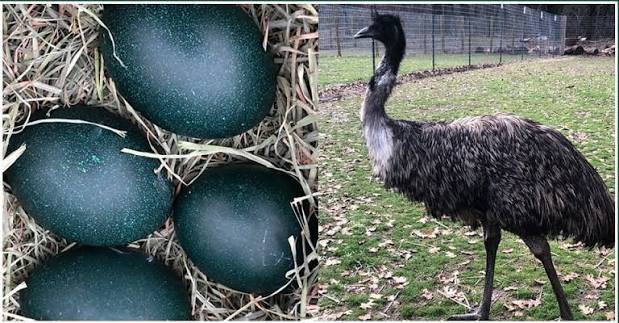
When buying an emu egg in person, inspect its visible condition carefully. Emu eggs typically have a dark green shell with a textured surface. Their distinctive color and substantial size make them easy to recognize.
Look for a shell that appears intact, without obvious cracks, leaking areas, or severe damage. A damaged shell may create additional risks for eggs intended for consumption or incubation.
Ask the seller whether the egg has been handled gently and stored under suitable conditions. Appearance alone cannot establish freshness, fertility, or internal quality, so visual inspection should be combined with information about the egg’s history.
For hatching eggs, avoid assuming that a large or attractive egg will necessarily produce a stronger chick. Breeding background, fertility, storage conditions, and proper incubation are more meaningful considerations.
If you are purchasing an egg for decoration, small cosmetic differences may matter less than structural integrity, depending on how you intend to display it.
Ask Important Questions Before Purchasing
First-time buyers should not hesitate to ask questions. A knowledgeable seller will generally understand why customers want information before spending money.
Consider asking the following:
- Is the egg intended for hatching, eating, or decoration?
- When was it collected?
- How has it been stored since collection?
- If it is a hatching egg, what information is available about fertility?
- What is the seller’s experience with emu breeding?
- How will the egg be packaged for transportation?
- Is there a replacement or refund policy if the egg arrives damaged?
- Are there any local restrictions or documentation requirements?
The answers can help you compare sellers more confidently. For hatching eggs, ask whether the breeder has relevant experience with the parent birds and can explain the limitations of fertility claims.
For edible eggs, prioritize safe handling, appropriate storage, and reliable information about suitability for consumption.
Compare Prices and Overall Value
The price of an emu egg can vary depending on location, season, availability, intended use, breeder reputation, and whether the egg is being sold for hatching or consumption.
Rather than choosing the cheapest offer immediately, compare several local sellers. A lower price may seem attractive, but it does not necessarily represent better value if the seller cannot explain the egg’s origin or handling.
Ask whether the quoted price includes packaging, delivery, or other charges. If you are collecting the egg yourself, consider the distance involved and whether you have suitable transportation.
For hatching eggs, remember that purchasing a fertile egg is only one part of the process. You may also need appropriate incubation equipment, suitable housing, feed, and access to veterinary advice.
A reasonable budget should account for the full purpose of the purchase instead of focusing exclusively on the initial price.
Plan Safe Transportation
Emu eggs are large and can be damaged by rough handling, pressure, or sudden impacts. Even when a shell appears strong, careful transportation is essential.
If collecting an egg locally, ask the seller to provide secure protective packaging. The egg should be supported so that it cannot roll freely or collide with hard surfaces during the journey.
Keep the container stable and avoid placing heavy objects on top of it. Drive carefully if transporting the egg by vehicle, and do not leave it exposed to extreme temperatures.
If the egg is intended for incubation, follow the breeder’s guidance on transportation and subsequent handling. Hatching eggs have specific storage and incubation requirements, so advice intended for culinary eggs may not be appropriate.
For eggs intended for consumption, maintain suitable food-safety conditions throughout transportation and follow local guidance for storage.
Prepare Before Buying a Hatching Egg
Customers interested in raising emus should prepare their facilities before purchasing a hatching egg. Incubating an emu egg requires more than placing it inside an ordinary poultry incubator and waiting for a chick to emerge.
Emu eggs generally require a long incubation period, commonly around 50 to 56 days, although development can vary. Appropriate temperature, humidity, ventilation, and egg-turning practices are important throughout this period.
Before purchasing, confirm that your incubator can accommodate an emu egg and maintain the conditions recommended by an experienced breeder or avian specialist.
You should also plan for the chick’s needs after hatching. Emus grow into large, active birds and require secure outdoor space, suitable nutrition, protection from hazards, and appropriate care.
Research local regulations and consult an experienced emu keeper before committing to the project. Proper preparation can help prevent avoidable difficulties later.
Understand Seasonal Availability
Emu eggs may not be available throughout the year. Their availability depends on breeding seasons, individual farms, regional climate, and the number of breeding birds maintained by local suppliers.
If you cannot find suitable eggs immediately, consider contacting reputable breeders to ask when they expect their next collection. Waiting for a reliable supplier is often better than purchasing from an unfamiliar source simply because an egg is available.
Seasonal planning is particularly important for buyers who intend to incubate eggs. You should have the necessary equipment and facilities ready before the egg arrives.
Keep communication open with the seller, and confirm the collection date, intended use, and transportation arrangements before finalizing the purchase.
Avoid Common First-Time Buying Mistakes
One common mistake is purchasing an egg without confirming its intended purpose. An attractive decorative egg is not necessarily suitable for hatching or cooking.
Another mistake is assuming that every egg sold as a hatching egg is fertile. Ask what evidence the seller can provide and understand that fertility does not guarantee successful development.
Avoid making decisions based only on photographs or unusually low prices. If you cannot inspect the egg directly, request clear information about its condition, handling, packaging, and the seller’s policies.
Do not overlook the responsibilities involved in raising an emu. These birds require long-term care, appropriate space, and specialized knowledge.
Finally, confirm local legal requirements before purchasing, especially when the transaction involves live exotic birds, interstate transportation, or cross-border movement.
Conclusion
Buying an emu egg locally can be a rewarding experience when you approach the process with preparation and realistic expectations. The most important steps are identifying your intended use, finding a reputable seller, checking the egg’s condition, asking relevant questions, comparing prices, and arranging safe transportation.
First-time customers interested in hatching should pay particular attention to fertility information, storage history, incubation requirements, and long-term bird care. Those purchasing eggs for food or decoration should focus on the appropriate quality and handling standards for their intended purpose.
By researching local suppliers and taking time to evaluate your options, you can make a more informed purchasing decision. A careful approach helps you find an emu egg that suits your needs while avoiding unnecessary expenses, misunderstandings, and preventable problems.