Introduction
The plastic manufacturing industry continues to evolve as businesses seek better product quality, improved production efficiency, and more sustainable processing methods. Manufacturers are constantly exploring innovative materials and additives that can enhance the performance of plastic products while reducing operational challenges. One important solution that has gained considerable attention is Silicone Masterbatch.
Silicone Masterbatch is a specialized additive used in plastic processing to improve surface properties, reduce friction, enhance processing performance, and increase the durability of finished products. It is widely used in various industries, including packaging, automotive manufacturing, electrical equipment, construction, and consumer goods. Understanding how this material works, its benefits, and its applications can help manufacturers make informed decisions about their production processes.
What Is Silicone Masterbatch?
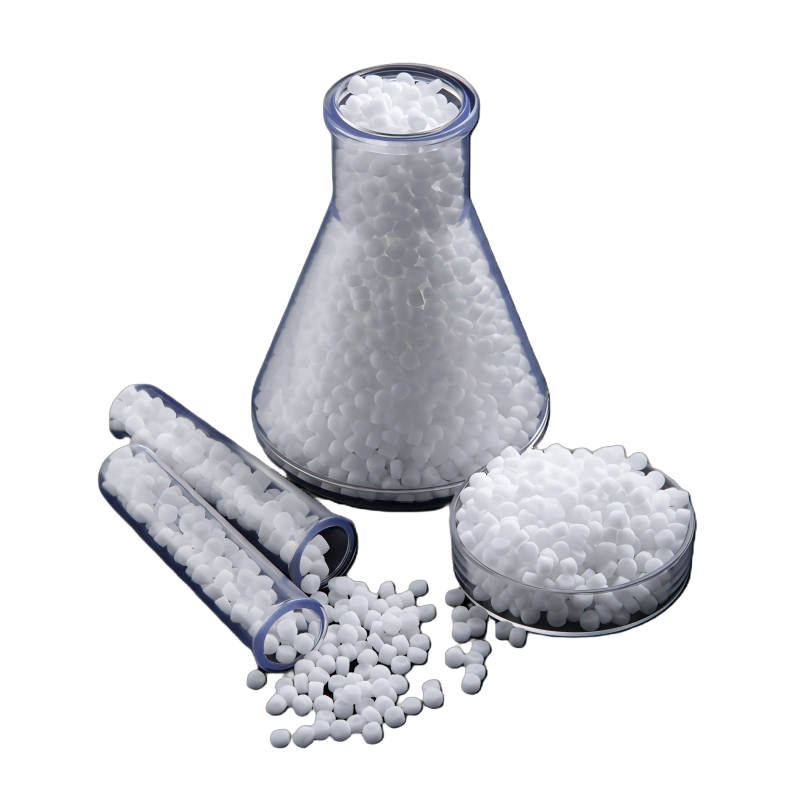
Silicone Masterbatch is a concentrated additive that contains silicone-based ingredients distributed within a polymer carrier resin. It is designed to be mixed with base plastic materials during manufacturing to improve specific characteristics of the finished product.
Unlike conventional additives, silicone-based formulations can provide multiple performance benefits. These may include improved slip properties, reduced surface friction, better scratch resistance, and enhanced mold release. Depending on the formulation and concentration, the additive can also help improve processing stability and product appearance.
It is available in different formulations designed for particular polymers, including polyethylene (PE), polypropylene (PP), acrylonitrile butadiene styrene (ABS), and other thermoplastic materials. Manufacturers can select suitable grades according to their processing requirements and final product specifications.
How Silicone Masterbatch Works in Plastic Processing
During plastic manufacturing, the masterbatch is blended with the primary polymer resin using suitable mixing and processing equipment. The mixture is then processed through techniques such as extrusion, injection molding, or blow molding.
As the plastic material moves through the production system, silicone components help modify its surface characteristics. This can reduce friction between plastic surfaces and improve the movement of materials during processing.
The effectiveness of the additive depends on several factors, including silicone concentration, carrier resin compatibility, processing temperature, mixing conditions, and the type of polymer being used.
Proper dispersion is particularly important. When the additive is distributed evenly throughout the polymer, manufacturers can achieve more consistent results and reduce the possibility of uneven surface performance.
Major Benefits of Silicone Masterbatch
Improved Surface Smoothness
One of the most recognized advantages of Silicone Masterbatch is its ability to improve the surface characteristics of plastic products. It can create smoother surfaces that offer better handling and appearance.
This benefit is especially valuable in packaging materials, household products, automotive components, and plastic films where surface quality plays an important role.
Reduced Friction
Friction can create several challenges during plastic manufacturing and product usage. It may affect material movement, increase resistance, and create difficulties in handling finished products.
Silicone-based additives help reduce friction, allowing plastic components to move more smoothly against other surfaces. This characteristic is useful in applications involving sliding parts, flexible packaging, and molded components.
Better Scratch and Abrasion Resistance
Plastic products frequently experience contact with other materials during transportation, storage, and everyday use. Such interactions can cause scratches and surface damage.
Depending on the formulation, Silicone Masterbatch can improve scratch resistance and help maintain the original appearance of plastic products. This is particularly beneficial for automotive interiors, electronic housings, and consumer appliances.
Enhanced Processing Efficiency
Manufacturing efficiency depends on consistent material flow, stable processing conditions, and reduced production interruptions.
By improving lubrication and reducing friction, suitable silicone additives can support smoother processing operations. Manufacturers may experience better material handling, improved production consistency, and reduced processing difficulties.
Improved Mold Release
In injection molding and other molding processes, removing finished products from molds can sometimes become challenging. Silicone-based additives may help improve release characteristics, depending on the formulation and application.
Better mold release can contribute to smoother production cycles and reduce the risk of surface defects during product removal.
Applications Across Different Industries
Packaging Industry
The packaging industry is one of the major users of silicone-based additives. Plastic films, bags, containers, and flexible packaging materials require specific surface properties to support efficient manufacturing and convenient handling.
Silicone Masterbatch can improve slip characteristics, reduce friction between film layers, and support smoother packaging operations. These properties are particularly useful in high-speed packaging applications.
Automotive Manufacturing
Automotive manufacturers use various plastic components in vehicle interiors, exterior parts, and functional systems. These components often require attractive surfaces, durability, and resistance to everyday wear.
Silicone additives can help improve scratch resistance, surface smoothness, and friction characteristics. They are therefore useful in selected dashboard components, interior panels, trims, and other molded plastic parts.
Electrical and Electronic Products
Electrical and electronic equipment frequently contains plastic housings, connectors, protective components, and structural parts.
These applications require consistent product quality and reliable surface performance. Silicone-based additives can help improve processing behavior and the physical characteristics of suitable plastic components.
Construction Materials
Plastic materials are widely used in pipes, fittings, profiles, sheets, and construction accessories. These products must withstand regular handling and different environmental conditions.
Depending on the formulation, Silicone Masterbatch can contribute to improved surface properties and processing performance, helping manufacturers produce consistent plastic components.
Household and Consumer Products
Everyday products such as storage containers, kitchen accessories, furniture components, and appliance housings are frequently manufactured using thermoplastic materials.
Improved surface appearance, scratch resistance, and handling properties can increase the overall quality of these products. Silicone additives provide manufacturers with another option for achieving these performance objectives.
Different Types of Silicone Masterbatch
Different plastic applications require different additive formulations. Selecting the appropriate grade is essential for achieving the desired results.
PE Silicone Masterbatch: This formulation is designed for polyethylene-based applications. It is commonly considered for films, packaging products, and other polyethylene materials.
PP Silicone Masterbatch: Developed for polypropylene processing, this type can support improved surface properties and processing performance in molded products, fibers, and packaging materials.
ABS Silicone Masterbatch: This grade is suitable for selected ABS applications where surface quality, scratch resistance, and processing characteristics are important.
High-Concentration Silicone Masterbatch: These formulations contain a higher concentration of silicone ingredients and may be suitable for applications requiring specific performance improvements at controlled addition levels.
Each type should be evaluated according to polymer compatibility, processing conditions, and the manufacturer’s technical recommendations.
How to Select the Right Silicone Masterbatch
Choosing the correct additive requires careful consideration of the production process and desired product characteristics.
First, manufacturers should identify the base polymer. Different plastics have different chemical structures and processing requirements, so compatibility between the carrier resin and the base material is essential.
Second, the intended application should be considered. A manufacturer producing flexible packaging may prioritize slip properties, while an automotive component producer may focus more on scratch resistance and surface appearance.
Third, processing conditions must be evaluated. Temperature, extrusion speed, mixing equipment, and production methods can influence additive performance.
Manufacturers should also review the recommended dosage, dispersion characteristics, technical specifications, and quality certifications. Conducting small-scale production trials before full implementation is a practical way to confirm suitability.
Best Practices for Using Silicone Masterbatch
Correct handling and application are important for achieving consistent results. Manufacturers should follow the supplier’s recommended addition rates rather than assuming that higher concentrations will automatically provide better performance.
Proper mixing helps distribute the additive evenly throughout the polymer. Inconsistent dispersion can lead to variations in surface characteristics and finished product quality.
Storage conditions also matter. Masterbatch should be kept in suitable packaging and protected from moisture, contamination, and excessive heat. Following the supplier’s storage and handling instructions can help maintain product quality.
Regular quality testing should be performed to evaluate surface friction, scratch resistance, appearance, and other relevant performance characteristics.
The Future of Silicone-Based Plastic Additives
The demand for high-performance plastic materials is expected to encourage continued development in additive technology. Manufacturers are increasingly interested in solutions that improve production efficiency while supporting material performance and responsible resource utilization.
Future developments may focus on more specialized formulations, improved polymer compatibility, better additive dispersion, and solutions designed for recycled and recyclable plastic materials.
Silicone Masterbatch is likely to remain an important option for manufacturers looking to optimize plastic processing and develop products with enhanced surface characteristics.
Conclusion
Silicone Masterbatch plays a valuable role in modern plastic processing by improving surface smoothness, reducing friction, supporting scratch resistance, and enhancing manufacturing performance. Its versatility makes it useful across packaging, automotive, electronics, construction, and consumer product industries.
However, achieving the best results requires selecting the correct formulation, maintaining proper dispersion, and following recommended processing conditions. By understanding its properties and applications, manufacturers can make better material choices, improve product consistency, and develop plastic products that meet changing industry expectations.