


Sewage Clean Up: Protecting Your Home from Contamination and Health Risks
Understanding the Importance of Sewage Clean Up
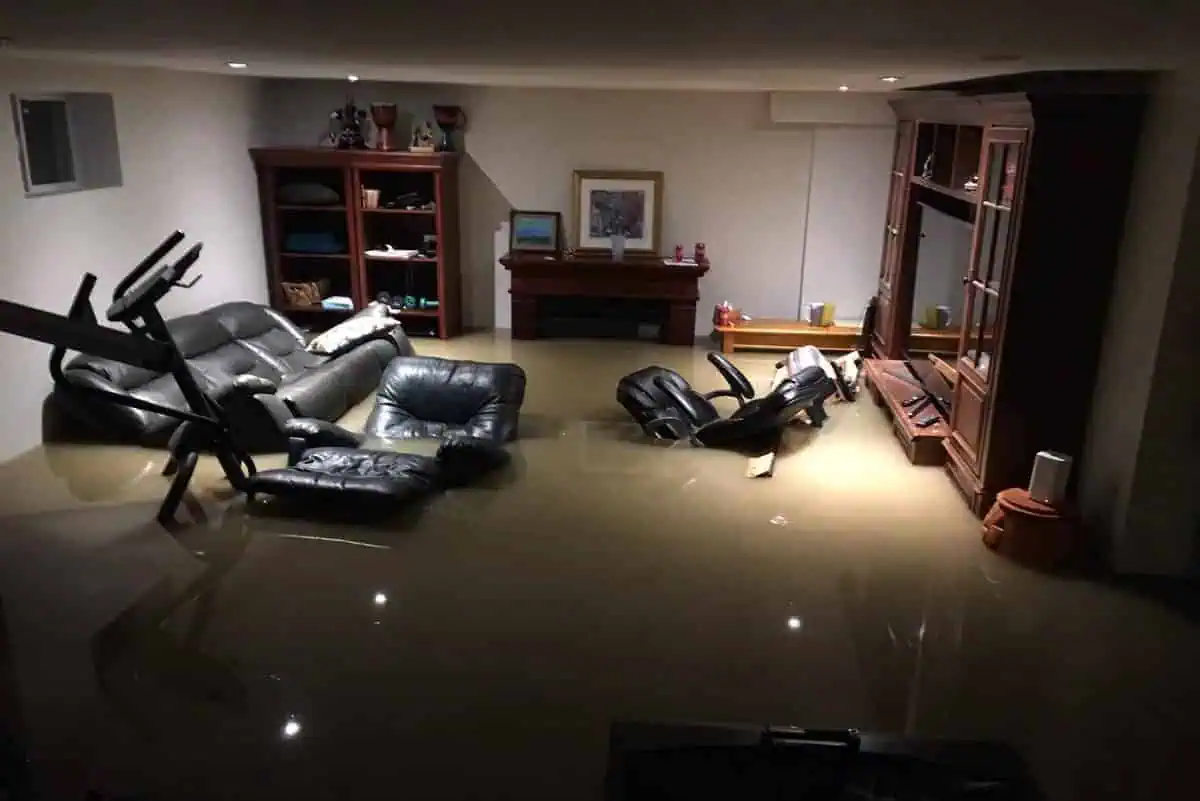
Sewage clean up is one of the most critical services homeowners may need after plumbing failures, flooding, or sewer backups. When sewage enters a home, it brings harmful bacteria, viruses, parasites, and toxic contaminants that can seriously threaten the health of residents and the safety of the property. Unlike simple water spills, sewage water—often referred to as black water—contains hazardous waste that must be handled carefully and removed quickly.
Ignoring or delaying sewage clean up can lead to severe structural damage, persistent odors, and dangerous health risks. The longer contaminated water remains inside a home, the more it spreads through flooring, drywall, insulation, and furniture. Immediate and proper sewage clean up helps prevent long-term property damage while protecting everyone living in the household.
Common Causes of Sewage Backups
Sewage problems can happen for several reasons, and understanding these causes can help homeowners act quickly when issues occur. One of the most common reasons is clogged sewer lines. When items such as grease, wipes, or debris block the pipes, wastewater has nowhere to go and may flow back into the home.
Another frequent cause is heavy rainfall or flooding. Municipal sewer systems can become overwhelmed during storms, forcing contaminated water back through household drains. Tree root intrusion is another hidden problem that can crack or block sewer pipes, eventually leading to sewage backups.
Old or damaged plumbing systems may also contribute to sewage problems. Over time, pipes corrode, collapse, or develop leaks that allow wastewater to escape into basements or crawl spaces. When any of these problems occur, immediate sewage clean up becomes essential to limit damage and restore sanitation.
Health Risks Associated with Sewage Exposure
Sewage contains a wide range of microorganisms that pose serious health risks. Exposure to contaminated water can lead to infections, respiratory problems, and gastrointestinal illnesses. Bacteria such as E. coli, Salmonella, and other pathogens commonly found in sewage can spread quickly through contact with contaminated surfaces.
Mold growth is another concern following sewage contamination. The moisture created by wastewater encourages mold to grow within walls, carpets, and wooden structures. Mold spores can trigger allergies, asthma attacks, and respiratory irritation, especially in children, older adults, and individuals with weakened immune systems.
Direct contact with sewage-contaminated materials can also cause skin infections or rashes. Because of these dangers, sewage clean up should always involve proper protective measures and thorough sanitization of affected areas.
Immediate Steps to Take After a Sewage Backup
When a sewage backup occurs, homeowners should act quickly but safely. The first step is to avoid contact with contaminated water. Sewage may contain harmful pathogens that can enter the body through skin contact or inhalation.
Next, turn off electricity in affected areas if it is safe to do so. Water and electricity together can create dangerous conditions, especially in basements or flooded rooms. Opening windows and increasing ventilation can also help reduce odors and moisture.
Homeowners should avoid attempting major sewage clean up without proper equipment. Household cleaning products may not eliminate dangerous pathogens. Instead, it is best to contact professionals trained in sewage clean up who have specialized tools and protective gear.
Professional Sewage Clean Up Process
Professional sewage clean up involves several important steps designed to restore a safe and healthy environment. The process begins with a detailed inspection to assess the level of contamination and determine the areas affected by sewage water.
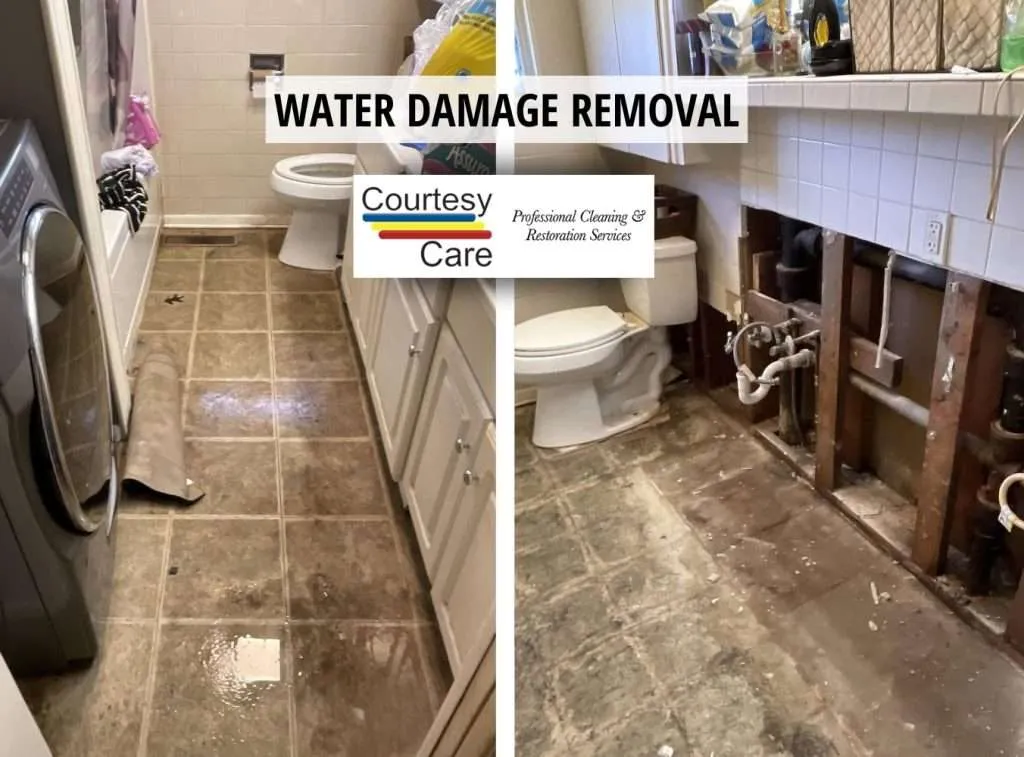
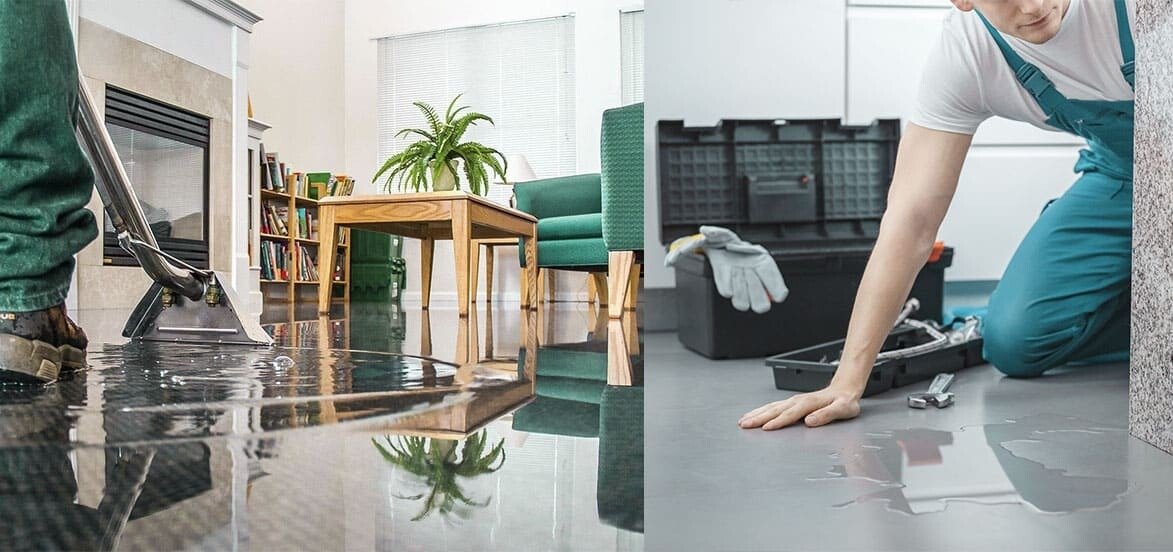
The next step is water extraction. Industrial pumps and vacuums are used to remove standing sewage quickly and efficiently. Once the contaminated water is removed, professionals begin removing damaged materials such as soaked carpets, insulation, or drywall that cannot be safely disinfected.
After debris removal, the entire area undergoes deep cleaning and sanitization. Specialized disinfectants are used to eliminate bacteria, viruses, and other pathogens. Dehumidifiers and air movers are then used to dry the structure thoroughly and prevent mold growth.
The final stage of sewage clean up often involves deodorization and restoration. Professionals ensure that lingering odors are removed and that the home is safe for occupants to return.
Preventing Future Sewage Problems
Although not all sewage problems can be avoided, homeowners can take steps to reduce the risk of backups and contamination. One of the most effective strategies is proper drain maintenance. Avoid flushing wipes, grease, paper towels, or other non-biodegradable materials that can block sewer lines.
Regular plumbing inspections can also identify early signs of pipe damage or blockages before they turn into major sewage issues. Installing backwater valves is another preventive measure that helps stop sewage from flowing back into a home during heavy rainfall or municipal sewer overload.
Keeping tree roots away from underground pipes and repairing cracked sewer lines can further reduce the risk of sewage intrusion. These proactive steps help minimize the chances of needing emergency sewage clean up in the future.
Why Quick Sewage Clean Up Matters
Time is one of the most important factors in managing sewage contamination. Within hours, sewage water can soak into porous materials and begin spreading bacteria throughout the home. Within a day or two, mold growth may begin to develop in damp areas.
Quick sewage clean up prevents contamination from spreading and reduces the overall cost of restoration. Early intervention can save flooring, walls, and furniture that might otherwise need to be replaced. It also protects residents from prolonged exposure to harmful microorganisms.
Professional response teams are trained to respond quickly, bringing the necessary equipment and expertise to handle hazardous wastewater safely. Their rapid action ensures that homes are restored to healthy living conditions as soon as possible.
The Role of Proper Sanitation and Restoration
After sewage contamination is removed, sanitation and restoration play a vital role in returning a home to normal. Every surface exposed to sewage must be carefully disinfected to remove invisible contaminants. Floors, walls, furniture, and ventilation systems may all require thorough treatment.
Restoration work may include replacing drywall, repairing flooring, repainting walls, and restoring damaged structural components. The goal of the entire sewage clean up process is not only to remove wastewater but also to restore the home to a safe, livable condition.
Homeowners should never underestimate the importance of professional sanitation and restoration. Even small traces of contamination left behind can lead to long-term health problems and unpleasant odors.
Conclusion
Sewage backups are serious events that require immediate attention and professional handling. Contaminated wastewater brings dangerous pathogens into living spaces, creating risks for both property and personal health. Proper sewage clean up is essential to remove hazardous materials, eliminate bacteria, and restore sanitation inside the home.