


A Comprehensive Guide to Basement Water Damage Clean Up
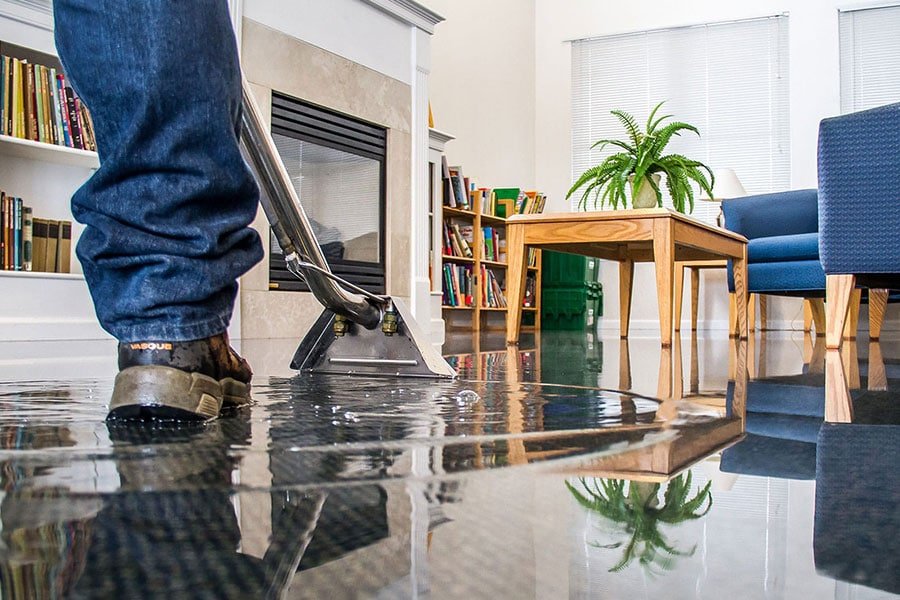
Basement water damage can be a homeowner’s worst nightmare. Whether it is caused by flooding, leaky pipes, or groundwater seepage, water in the basement can lead to structural damage, mold growth, and serious health hazards. Understanding the proper steps for basement water damage clean up is essential to protect your home, belongings, and wellbeing. This guide provides a thorough overview of how to approach water damage restoration safely and effectively.
Understanding the Causes of Basement Water Damage
Before diving into clean up, it is important to identify the source of water. Common causes include heavy rainfall leading to flooding, foundation cracks, burst or leaking pipes, faulty sump pumps, and inadequate drainage systems. Each cause may require a different response, but the first step is always to stop the source of water if possible. Identifying the root cause also helps prevent recurring problems after the clean-up process.
Immediate Steps to Take After Water Damage
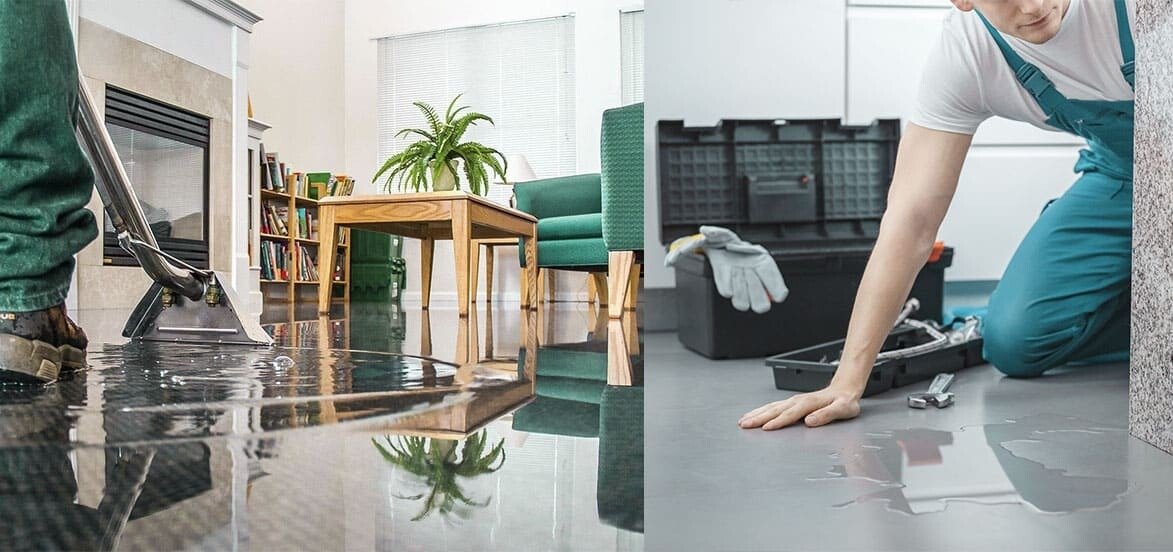
Time is critical when dealing with basement water damage. Standing water can cause severe structural damage and increase the risk of mold growth within 24 to 48 hours. Begin by ensuring safety: turn off electricity in the affected area to prevent electrocution. Remove valuable items and furniture if possible, and prioritize drying out the space. Using towels, mops, or wet/dry vacuums can help remove standing water quickly.
Assessing the Extent of the Damage
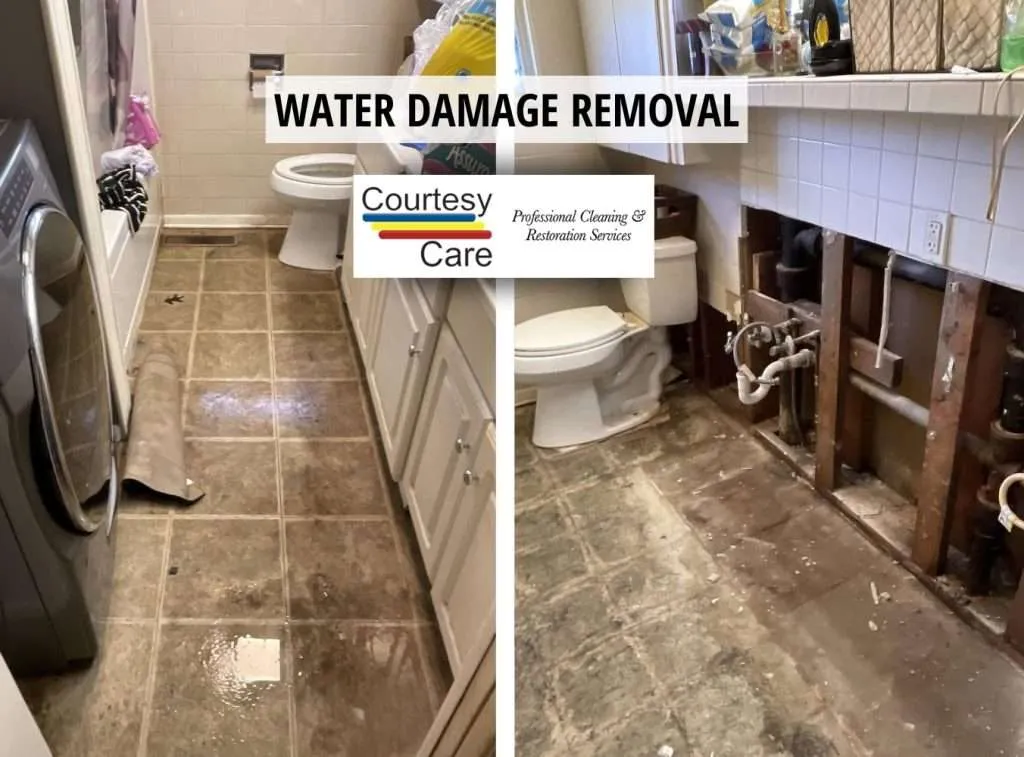
After the initial removal of water, assess the extent of the damage. Check walls, flooring, insulation, and personal belongings for water saturation. Carpets, rugs, and padding often absorb significant water and may need professional cleaning or disposal. Wooden furniture and shelving can warp or become structurally unstable if left wet. Understanding the level of damage helps determine whether you need professional assistance or can handle the clean-up yourself.
Drying and Dehumidifying the Basement
Proper drying is crucial to prevent mold and mildew growth. Use fans, dehumidifiers, and open windows if weather permits. For large-scale water intrusion, industrial-strength equipment may be necessary. Keep airflow consistent and monitor moisture levels regularly. Drying can take several days to a week, depending on the severity of the water damage. Focusing on hidden areas like behind walls or under flooring is critical, as these spots often retain moisture and foster mold growth.
Cleaning and Sanitizing Affected Areas
After drying, cleaning and sanitizing are essential steps in basement water damage clean up. Remove debris, dirt, and any items that have been contaminated. Use a mixture of water and disinfectant or specialized cleaning solutions to scrub walls, floors, and any salvageable furniture. Pay special attention to areas that came in direct contact with floodwater or sewage, as these contain harmful bacteria. This step is vital for maintaining a safe and healthy environment in your home.
Mold Prevention and Remediation
Mold can begin growing within 24 to 48 hours after water exposure, making prevention a top priority. After cleaning, inspect all areas for signs of mold, such as a musty odor or visible discoloration on walls and flooring. Consider using mold-resistant sprays or solutions to treat surfaces. In cases of extensive mold growth, hiring a professional remediation service is recommended to ensure the basement is completely safe and free of contaminants.
Handling Damaged Belongings
Not all items can be saved after basement flooding. Porous materials like mattresses, carpets, and cardboard often harbor bacteria and mold, making them unsafe to reuse. Non-porous items such as metal or plastic furniture can often be cleaned and sanitized. Documenting damaged belongings for insurance purposes is crucial to ensure coverage for replacement or restoration.
Structural Repairs and Restoration
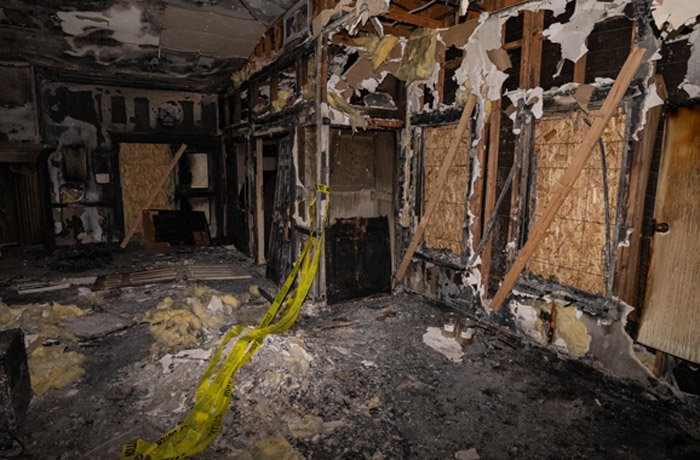
Once the basement is cleaned, dried, and sanitized, the next step is repairing any structural damage. This may include patching cracks in walls or foundations, replacing drywall, or refinishing flooring. Addressing these repairs promptly helps prevent future water intrusion and restores the basement to a safe, functional state. Waterproofing measures, such as sealing cracks and improving drainage, can further protect your basement from future water damage.
When to Call Professionals
While minor basement water damage can be managed by homeowners, severe flooding, contaminated water, or structural issues require professional intervention. Certified water damage restoration specialists have the equipment and expertise to safely remove water, sanitize affected areas, and address hidden damage. They can also provide mold remediation services and help with insurance claims, making the process smoother and less stressful.
Insurance Considerations
Documenting basement water damage is critical when filing insurance claims. Take photos and keep receipts of any repairs or cleanup costs. Check your homeowner’s insurance policy to understand coverage for water damage, as policies vary and some forms of flooding may require separate coverage. Promptly notifying your insurance provider ensures timely support and may prevent additional financial strain.
Preventing Future Basement Water Damage
Preventing future water damage is just as important as cleaning up after an incident. Maintain your basement and home foundation by sealing cracks, installing or servicing sump pumps, and ensuring proper grading and drainage around your home. Regular inspections of plumbing systems, gutters, and downspouts can prevent leaks and water accumulation. Consider using water alarms to detect early signs of leaks before they escalate into major flooding.
Conclusion
Basement water damage clean up is a multi-step process that requires swift action, careful assessment, and thorough drying and sanitization. By understanding the causes of water damage, acting quickly to remove water, preventing mold growth, and repairing structural damage, homeowners can restore their basements to a safe and functional state. For severe cases, professional water damage restoration services provide invaluable expertise and equipment to ensure the job is done safely and effectively. Proactive prevention, regular maintenance, and a clear plan for cleanup can save time, money, and stress in the event of future basement flooding. Proper attention to each step of the cleanup process ensures that your basement remains a dry, safe, and valuable part of your home.