Introduction
Unexpected incidents can leave behind more than emotional distress. Crime scenes, unattended deaths, traumatic accidents, and other serious events may create hazardous conditions that require specialized cleaning and decontamination. While ordinary cleaning methods are suitable for everyday messes, they are not crime scene cleaning designed to manage potentially infectious materials or restore environments affected by biological contamination. This is where professional crime scene cleaning becomes essential.
Crime scene cleaning involves the careful removal of hazardous biological materials, appropriate disinfection, and the restoration of affected spaces to a safe condition. Professional technicians follow established procedures, use suitable protective equipment, and handle contaminated materials according to applicable safety requirements. Their work helps protect property owners, families, occupants, and anyone who may enter the affected environment.
Understanding why professional decontamination matters can help people make informed decisions during difficult circumstances. From reducing health risks to protecting property and providing compassionate support, specialized cleaning services play an important role in the recovery process.
Understanding What Crime Scene Cleaning Involves
Crime scene cleaning is a specialized service designed to address contamination that may remain after an incident. Depending on the situation, the affected environment may contain blood, bodily fluids, or other potentially infectious materials. These substances can present health concerns when they are not handled appropriately.
Unlike routine housekeeping, professional crime scene cleaning requires an understanding of contamination risks, suitable disinfectants, protective equipment, and waste management procedures. Technicians assess the affected area and determine the appropriate cleaning and decontamination approach based on the materials involved and the condition of the property.
The service may be needed in residential homes, commercial buildings, vehicles, rental properties, and other locations. Every situation is different, so professional cleaners adapt their methods to the specific circumstances rather than relying on a single standard cleaning process.
The primary objective is to help restore the affected space to a condition that meets applicable health and safety requirements while respecting the privacy and dignity of those involved.
Reducing Exposure to Biological Hazards
One of the most important reasons to hire professional crime scene cleaners is to reduce exposure to potentially infectious materials. Blood and certain bodily fluids may carry pathogens that can cause illness. Direct contact, accidental exposure, or improper handling of contaminated items can create unnecessary health risks.
Household cleaning products and ordinary cleaning routines may not be appropriate for every type of biological contamination. Some materials can also be absorbed into porous surfaces, making complete decontamination more complicated than simply wiping an area clean.
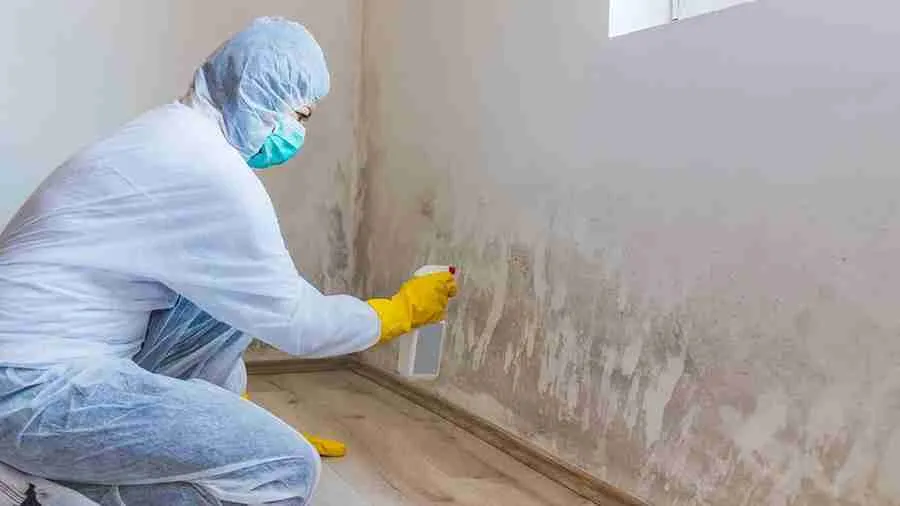
Professional technicians are trained to recognize potential hazards, select appropriate cleaning and disinfection methods, and use protective equipment suitable for the task. They also understand the importance of preventing contamination from spreading into unaffected areas.
Professional decontamination can provide greater confidence that the affected environment has been addressed systematically. However, the precise process depends on the circumstances, the surfaces involved, and the applicable safety standards.
Preventing Cross-Contamination
Cross-contamination occurs when hazardous materials are unintentionally transferred from one location to another. This can happen when contaminated objects, cleaning equipment, footwear, or other items come into contact with otherwise unaffected surfaces.
Preventing this problem is a central part of professional crime scene cleaning. Trained technicians use controlled work practices intended to separate affected areas from clean spaces. They also follow appropriate procedures for handling equipment, collecting waste, and managing contaminated materials.
Without these precautions, an attempt to clean one part of a property could inadvertently create additional areas of concern. This may increase the complexity of the restoration process and create further risks for occupants.
Professional cleaning teams approach the task with contamination control in mind. Their objective is not simply to improve the appearance of a room but to address potential hazards while limiting the chance that those hazards will spread elsewhere.
Protecting Property and Supporting Restoration
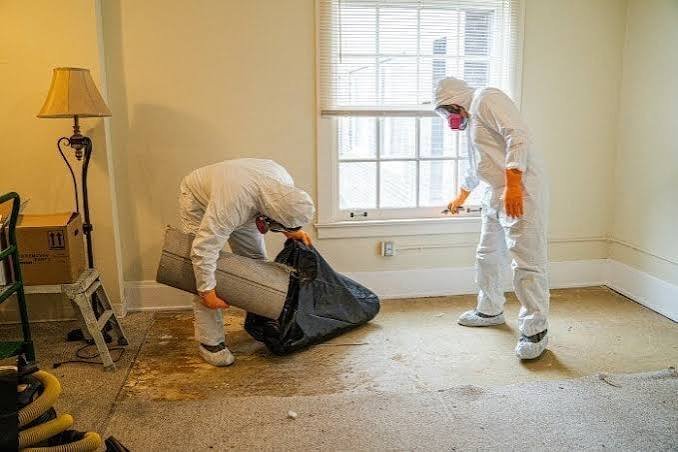
Biological contamination can affect more than the visible surfaces of a property. Depending on the incident, affected materials may include flooring, upholstery, furnishings, and other porous items. Some materials may be suitable for professional cleaning, while others may require specialized treatment or removal.
Crime scene cleaning professionals evaluate the condition of the affected space and determine what measures may be appropriate. Their work can help prevent avoidable damage caused by unsuitable cleaning products, improper handling, or delayed attention to contamination.
Early professional assessment may also help property owners understand the likely scope of restoration. In some cases, cleaning and disinfection may be sufficient. In others, additional restoration work or the replacement of certain materials may be necessary.
Although professional cleaning cannot guarantee that every item will be salvageable, a careful assessment supports more informed decisions about the property’s recovery.
The Importance of Proper Waste Management
Handling contaminated waste is another essential part of crime scene decontamination. Materials collected during the cleaning process may require special packaging, transport, treatment, or disposal under applicable regulations.
Improper disposal can expose other people to potential hazards and create environmental or legal concerns. Ordinary household waste procedures may not be suitable for all materials associated with a contaminated scene.
Professional service providers understand that waste management is part of the overall decontamination process. They follow relevant requirements for the materials involved and work to ensure that contaminated items are handled responsibly.
Property owners should choose a company that can explain its waste-handling procedures and demonstrate an understanding of the regulations applicable to the location. This helps ensure that the service addresses both the affected property and the risks associated with removing contaminated materials.
Using Specialized Equipment and Appropriate Cleaning Products
Effective crime scene cleaning requires more than basic cleaning supplies. Different surfaces and types of contamination may require different approaches, products, and protective measures.
Professional technicians select equipment and cleaning agents according to the conditions of the site. They also consider whether materials are porous, whether contamination may have reached concealed areas, and whether additional precautions are necessary.
Using an unsuitable product may fail to achieve the intended disinfection outcome or damage the affected surface. Likewise, using equipment without appropriate training may create additional exposure risks.
Qualified professionals understand the importance of following product instructions, observing required contact times for disinfectants, and using protective equipment correctly. These practices support a more consistent and safety-focused cleaning process.
Property owners should avoid assuming that strong odors, visible cleanliness, or the use of a particular cleaning chemical automatically means an area has been adequately decontaminated.
Providing Compassionate Support During Difficult Circumstances
Crime scenes and traumatic incidents can place considerable emotional pressure on families, property owners, and other people involved. In addition to dealing with the incident itself, they may face difficult decisions about the affected property and its future use.
Professional crime scene cleaning services help reduce the burden by managing the specialized cleaning responsibilities. This allows affected individuals to focus on personal matters, family needs, and other arrangements without having to undertake hazardous work themselves.
A reputable company should approach each situation with discretion, respect, and compassion. Technicians should communicate clearly, protect confidential information, and avoid unnecessary attention to the incident.
Sensitivity is particularly important when a property has been affected by a traumatic event. Professionalism involves more than technical competence; it also includes treating clients and their circumstances with dignity.
Why DIY Crime Scene Cleaning Can Be Risky
Attempting to clean a contaminated scene without suitable training may expose individuals to biological hazards. Household gloves, ordinary cleaning products, and basic equipment may not provide adequate protection for the circumstances.
People may also underestimate the extent of contamination, particularly when affected materials are porous or the visible signs do not reveal the full scope of the problem. Inappropriate cleaning methods can spread contamination or leave potentially hazardous materials untreated.
There are also practical concerns involving waste disposal, property damage, and the emotional difficulty of cleaning a location associated with a distressing incident.
For these reasons, specialized crime scene cleaning should generally be left to qualified professionals when biological hazards are present. If contamination is suspected, people should avoid disturbing the affected area and contact an appropriate service provider for an assessment.
How to Choose a Reliable Crime Scene Cleaning Company
Selecting a qualified service provider is an important step toward safe and effective decontamination. Property owners should consider several factors before making a decision.
Training and experience: Ask whether technicians have relevant training in biological hazard management, contamination control, and appropriate cleaning procedures.
Safety practices: A professional company should be able to explain its protective equipment, cleaning methods, and approach to preventing cross-contamination.
Waste disposal procedures: Confirm that the provider understands and follows the applicable requirements for handling and disposing of contaminated materials.
Clear communication: Reliable professionals explain the scope of work, expected stages of restoration, potential limitations, and relevant costs before proceeding.
Discretion and compassion: The company should respect privacy, communicate professionally, and understand the sensitive nature of the circumstances.
Insurance and compliance: Ask about appropriate business insurance, relevant qualifications, and compliance with local health, safety, and environmental requirements.
Comparing these factors can help property owners choose a service that prioritizes safety, accountability, and respectful treatment.
Conclusion
Professional crime scene cleaning is an essential service when an incident leaves behind potentially hazardous biological contamination. It helps reduce exposure risks, prevent cross-contamination, protect property, and ensure that contaminated materials are managed responsibly.
Beyond technical cleaning, experienced professionals provide valuable support during stressful circumstances by handling a difficult task with care, discretion, and respect. Their knowledge of appropriate protective equipment, disinfection procedures, and waste management makes them better equipped to address hazards that ordinary cleaning methods may not resolve.
When selecting a crime scene cleaning company, property owners should prioritize relevant training, established safety practices, regulatory compliance, and compassionate service. Investing in professional decontamination is an important step toward restoring a safer environment and helping people move forward after a difficult incident.