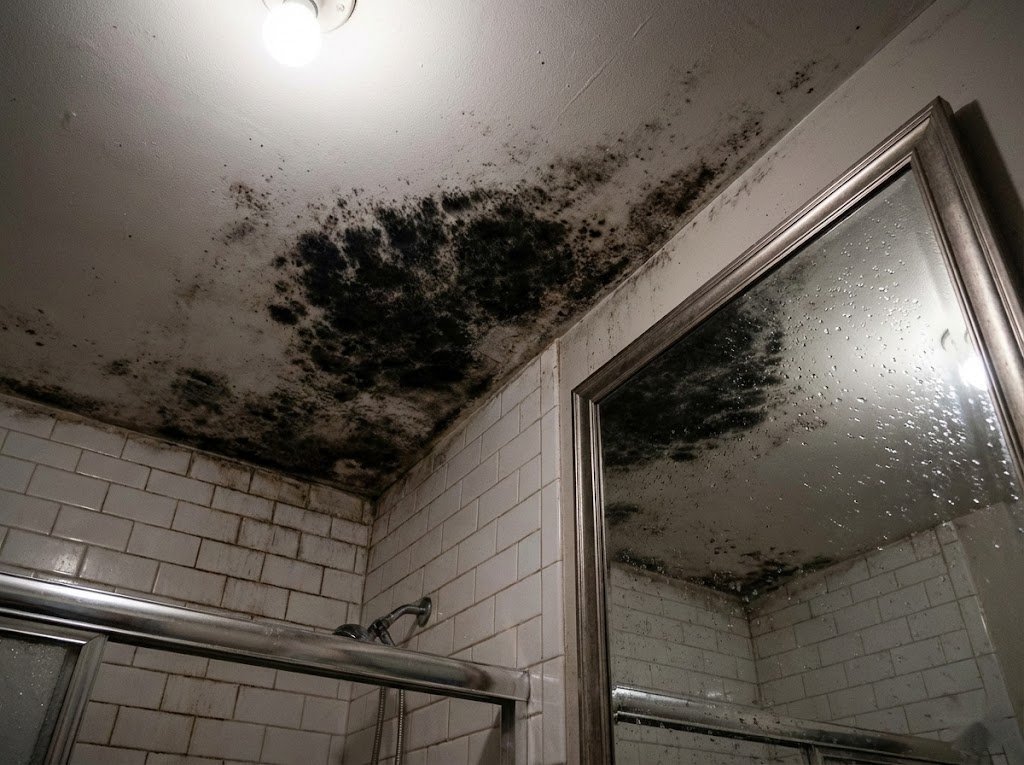
Mold in the home is more than just an unsightly problem. It can damage surfaces, compromise your property’s structural integrity, and pose serious health risks, including allergies, respiratory issues, and skin irritation. Knowing the right way to handle mold is essential. This guide will provide a comprehensive, step-by-step approach to cleaning up mold in house safely, ensuring both effectiveness and safety for you and your family.
Understanding Mold and Its Risks
Mold is a type of fungus that thrives in damp, humid environments. Common areas where mold grows include bathrooms, basements, kitchens, and areas around leaking pipes or windows. It spreads through tiny spores in the air, which can settle on surfaces and begin growing when moisture is present.
When cleaning up mold in house, understanding the risks is crucial. Prolonged exposure to mold can lead to respiratory problems, asthma attacks, sinus infections, and irritation of the eyes, skin, and throat. Certain types of mold, like black mold (Stachybotrys chartarum), are particularly toxic and require extra precautions. This makes it vital to approach mold removal with a careful and informed strategy.
Assessing the Extent of Mold Growth
Before beginning any cleaning process, it is important to assess the extent of mold growth. Small patches, typically less than 10 square feet, can often be managed by homeowners using proper precautions. Larger infestations or mold that has penetrated walls, ceilings, or HVAC systems may require professional intervention.
Identify all areas affected by visible mold and investigate for hidden growth in behind walls, under carpets, or beneath tiles. Moisture detection tools or moisture meters can help locate areas of concern. Proper assessment prevents incomplete cleaning, which can cause mold to return.
Gathering the Necessary Tools and Protective Gear
Safety is paramount when cleaning up mold in house. The following protective gear is recommended:
- Gloves: Nitrile or rubber gloves to prevent direct skin contact
- Masks or respirators: An N95 respirator helps protect against inhaling mold spores
- Goggles: To protect eyes from mold spores and cleaning chemicals
- Protective clothing: Wear long sleeves and pants, preferably disposable or washable clothes
Additionally, you will need cleaning supplies, including detergent, white vinegar, hydrogen peroxide, or commercial mold cleaners, along with scrub brushes, sponges, buckets, and disposable rags. Avoid mixing bleach with ammonia-based cleaners, as this produces toxic fumes.
Preparing the Area for Mold Cleanup
Preparation is a critical step in cleaning up mold in house. Start by removing any items that could be damaged or contaminated, such as furniture, rugs, and personal belongings. For salvageable items, clean them thoroughly using appropriate methods.
Seal off the area to prevent mold spores from spreading to other parts of the home. Use plastic sheets or painter’s tape to isolate the space. Ensure proper ventilation, either by opening windows or using fans to direct airflow outside. Keep pets and children away from the area during the cleanup process.
Cleaning Moldy Surfaces
For hard surfaces like tiles, glass, metal, and countertops, cleaning can be done using the following steps:
- Mix water with mild detergent or use white vinegar/hydrogen peroxide directly on the moldy area.
- Apply the solution to the surface and allow it to sit for 10–15 minutes to penetrate the mold.
- Scrub the area thoroughly with a brush or sponge.
- Rinse with clean water and dry the surface completely to prevent regrowth.
Porous materials such as drywall, carpets, and ceiling tiles often absorb mold deeply. In many cases, it is safer to remove and replace these materials rather than attempting to clean them, as mold can continue growing in hidden areas.
Using Mold Inhibitors for Prevention
After cleaning up mold in house, taking preventive measures is important to reduce the chances of mold returning. Mold inhibitors can be applied to surfaces to create an environment that discourages growth. Common household solutions include:
- White vinegar: Effective for killing mold and preventing regrowth
- Borax solution: Mix one cup of borax with one gallon of water and apply to surfaces
- Commercial anti-mold sprays: Follow manufacturer instructions for application
It is also important to maintain proper humidity levels inside the home. Use dehumidifiers in damp areas, fix leaks promptly, and ensure adequate ventilation in kitchens, bathrooms, and basements.
Proper Disposal of Mold-Contaminated Materials
Disposing of moldy materials safely is an essential part of the cleanup process. Place contaminated items in heavy-duty plastic bags and seal them securely. For larger items, cover them with plastic sheeting before moving them to minimize the spread of spores.
Always wash reusable tools, clothing, and protective gear with hot water and detergent after use. Never burn moldy materials, as this can release harmful spores into the air. Proper disposal ensures that mold does not continue to pose a risk after cleanup.
Monitoring and Maintaining a Mold-Free Home
Cleaning up mold in house is not a one-time effort. Ongoing monitoring and maintenance are necessary to keep mold at bay. Regularly inspect areas prone to moisture, such as bathrooms, kitchens, and basements. Check for leaks, condensation, or signs of water damage.
Maintaining low humidity levels (ideally below 50%) and using exhaust fans in high-moisture areas can prevent mold from returning. Keeping the home clean, dry, and well-ventilated is the key to long-term mold prevention.
When to Seek Professional Help
Some mold infestations are too large or hazardous for safe DIY removal. If you encounter the following situations, professional mold remediation is recommended:
- Mold covering more than 10 square feet
- Mold in HVAC systems, crawlspaces, or structural areas
- Presence of black mold or other toxic varieties
- Persistent mold growth despite repeated cleaning
Professional remediation specialists have the equipment, expertise, and chemicals to safely remove mold and prevent it from spreading. Consulting a professional ensures the safety of your household while effectively addressing the problem.
Conclusion
Cleaning up mold in house requires careful planning, proper protective gear, and the right techniques. By understanding the risks, preparing the area, and following a systematic cleaning process, you can remove mold safely and effectively. Post-cleanup, preventive measures such as using mold inhibitors, maintaining ventilation, and monitoring moisture levels are essential to keep your home mold-free. Addressing mold promptly not only preserves the quality of your home but also protects the health of everyone living in it.