Experiencing a flood can be a traumatic event, leaving homeowners and businesses stressed and overwhelmed. Fast action is essential to prevent further damage, protect your property, and ensure a smooth recovery process. Using a professional flood cleanup service can make a significant difference in restoring your property quickly and efficiently. This guide will walk you through essential tips for flood cleanup and how to maximize the effectiveness of restoration efforts.
Assessing the Damage Quickly
The first step in any flood cleanup service is assessing the extent of the damage. After ensuring your safety and waiting for floodwaters to recede, inspect your property carefully. Look for standing water, structural damage, and areas where mold could develop. Taking photographs of the damage is crucial for insurance purposes and provides a clear record for professionals handling the cleanup.
Immediate assessment helps determine whether the damage is minor or if specialized equipment and professional services are required. While some minor flooding can be managed with basic cleanup, a comprehensive flood cleanup service is recommended for extensive water intrusion, as it ensures thorough drying and sanitization.
Safety First During Cleanup
Floodwaters can be hazardous. Contaminated water from sewage backups, chemicals, or debris can pose serious health risks. Before attempting any cleanup, wear protective gear such as gloves, boots, and masks. Avoid electrical appliances or wiring until a qualified electrician has inspected them.
A professional flood cleanup service not only has the right safety equipment but also understands proper procedures for hazardous water removal. This reduces the risk of injury and protects your family or employees during the restoration process.
Remove Standing Water Efficiently
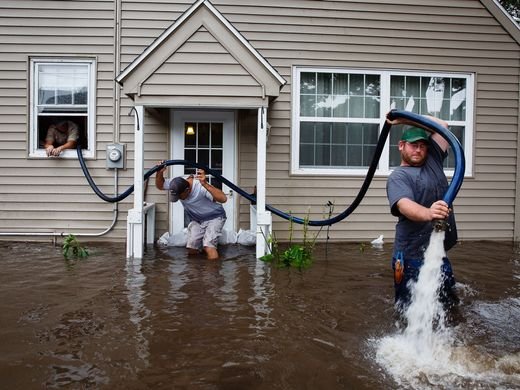
Standing water is the main culprit for further property damage. Water can seep into walls, floors, and furniture, leading to mold growth, wood warping, and long-term structural issues. Using pumps, wet/dry vacuums, or professional extraction equipment helps remove water quickly.
A quality flood cleanup service will bring industrial-grade pumps and specialized tools to extract water efficiently. Speed is critical because the longer water remains in the property, the more damage it can cause to materials like drywall, insulation, and flooring.
Drying and Dehumidification
Once the bulk of water is removed, drying the property thoroughly is the next critical step. Moisture trapped in walls, floors, and furniture can lead to mold growth within 24 to 48 hours. Dehumidifiers, fans, and air movers are essential tools used by professional flood cleanup services to accelerate the drying process.
Monitoring moisture levels with specialized meters ensures that all affected areas are completely dry before reconstruction or repairs begin. Skipping proper drying can result in hidden damage that surfaces later, creating health risks and added expenses.
Cleaning and Sanitizing Affected Areas
Floodwater can carry bacteria, chemicals, and debris. Proper cleaning and sanitization are vital to restore a safe and habitable environment. Surfaces, furniture, and personal belongings should be cleaned with appropriate disinfectants, and contaminated materials may need to be discarded.
Professional flood cleanup services are trained to handle biohazardous materials safely. They follow industry standards to disinfect surfaces, remove contaminants, and prevent cross-contamination throughout your property.
Salvaging Belongings
Not all items affected by flooding are lost. Many possessions can be restored with the right approach. Clothing, furniture, and electronics might be salvageable if addressed quickly. Professionals use techniques such as freezing, drying, and specialized cleaning to save valuable items.
While some sentimental or expensive items may require expert attention, timely action significantly improves the chance of restoration. A flood cleanup service often includes evaluation and recovery of salvageable property, reducing your overall losses.
Mold Prevention Strategies
Mold growth is one of the most common and dangerous aftereffects of flooding. It thrives in moist, dark environments and can affect both the structure of your property and your health. Preventing mold requires thorough drying, cleaning, and sometimes the application of anti-fungal treatments.
Flood cleanup services not only address immediate water removal but also implement mold prevention protocols. This includes treating susceptible areas, monitoring humidity levels, and advising on long-term solutions to keep your property mold-free.
Communicating with Insurance Providers
Insurance claims can be complex and time-sensitive. Documenting the damage and providing evidence of cleanup efforts is crucial. Many flood cleanup services assist homeowners by providing detailed reports, photographs, and documentation to support insurance claims.
Having professional documentation can streamline the claims process and ensure you receive the compensation needed for repairs and restoration. This makes using a professional service not just a matter of convenience but also a practical financial decision.
Choosing the Right Flood Cleanup Service
Selecting a reputable flood cleanup service is essential for effective restoration. Look for companies with experience, certifications, and positive reviews. Verify that they use modern equipment and follow established safety and restoration protocols.
A trustworthy flood cleanup service will offer a comprehensive plan, from water extraction and drying to cleaning, sanitizing, and mold prevention. Transparent pricing, quick response times, and clear communication are additional indicators of a reliable provider.
Long-Term Property Protection
After immediate cleanup, consider long-term strategies to protect your property from future floods. This may include improving drainage, waterproofing basements, and regular property maintenance. Consulting with your flood cleanup service about preventive measures can help reduce the risk of repeated damage.
Implementing these strategies not only preserves the structural integrity of your property but also safeguards your investment and peace of mind.
Conclusion
Flooding is stressful, but taking swift, organized action can minimize damage and speed up recovery. A professional flood cleanup service provides expertise, equipment, and guidance to restore your property efficiently and safely. By assessing damage quickly, prioritizing safety, removing water, drying and sanitizing affected areas, salvaging belongings, and preventing mold, you can return your property to its original condition.
Choosing the right service and documenting everything for insurance purposes further ensures that the cleanup process is smooth and financially manageable. With proper planning and professional support, your home or business can recover from flooding with minimal long-term impact.
Flood cleanup service is more than a convenience—it’s a crucial step in protecting your property, health, and peace of mind. Acting promptly, following expert guidance, and investing in professional help ensures a quicker, safer restoration process and helps you reclaim your space after a flood.