Music is a universal language, and the piano is one of the most expressive instruments through which that language is spoken. At first glance, playing the piano may seem like a purely physical act — pressing keys, moving fingers, hearing sound. But beneath every beautiful melody and powerful chord lies a deep foundation of music theory and piano technique working together. When a pianist truly understands this connection, their playing becomes not just technically proficient but musically meaningful. In this article, we’ll explore how music theory and piano technique intertwine, enhance one another, and elevate a musician’s artistry.
Understanding the Basics: What Is Music Theory?
Music theory is the study of how music works. It explains the structure of sound, harmony, rhythm, melody, scales, and the relationships between musical elements. Music theory helps musicians make sense of what they hear and what they play — it’s the grammar and vocabulary of musical language. Whether you are reading sheet music, composing your own pieces, or improvising, music theory provides the framework to understand what is happening and why it sounds a certain way.
Many beginners view music theory as abstract or academic, something separate from the act of playing. But it is anything but distant from performance. Consider this: when you learn a scale, you are learning intervals (the distances between notes). When you build a chord, you are applying harmony principles. When you read rhythm patterns, you are interpreting time signatures and notation. All of these are music theory in action.
What Is Piano Technique?
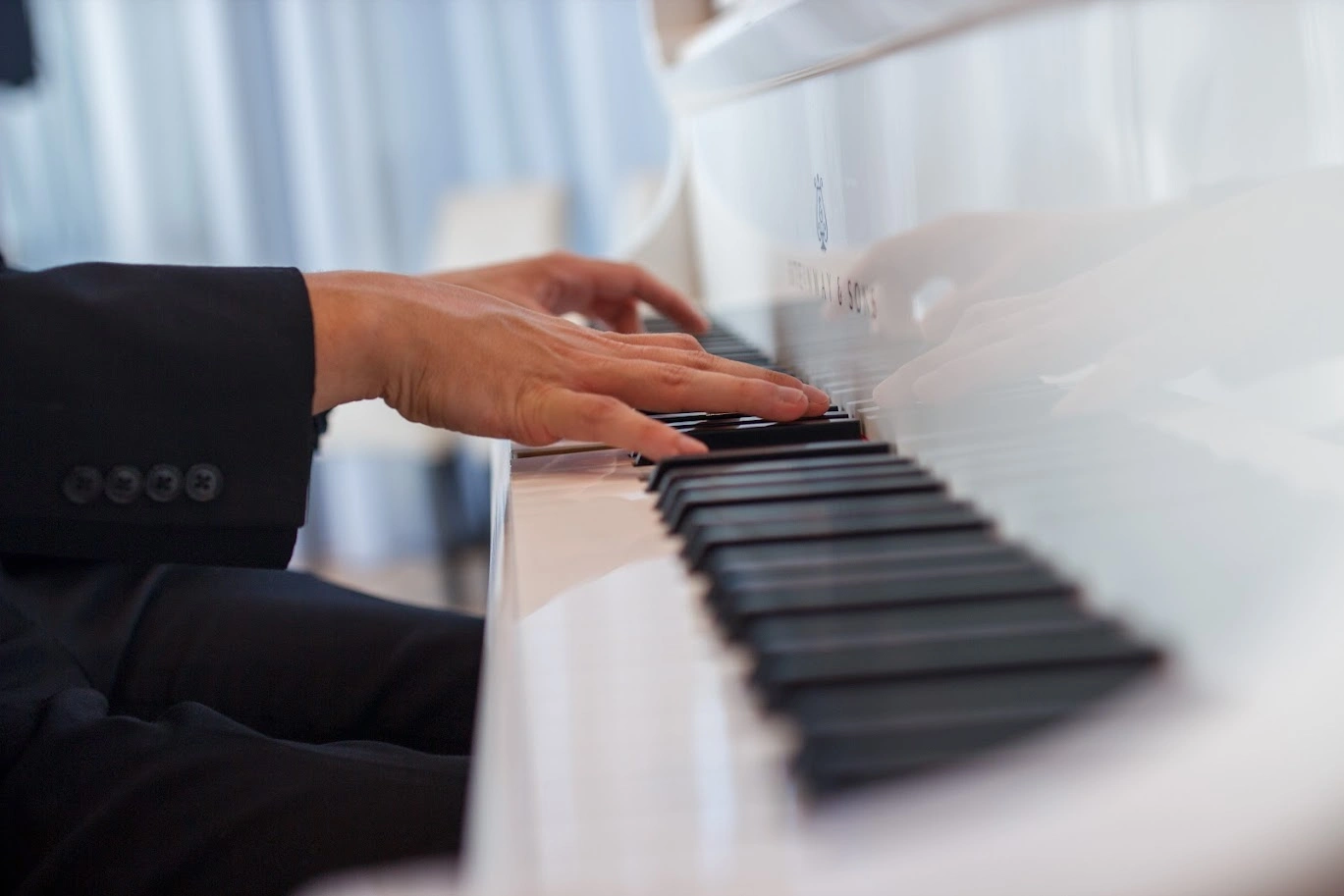
While music theory explains the why of music, piano technique explains the how. Piano technique refers to the physical skills required to play the instrument — finger strength and independence, hand position, posture, use of pedals, coordination between the two hands, and efficient motion. Good technique enables a pianist to play with precision, expression, and control across a wide range of repertoire.
Without proper technique, a pianist may struggle to execute complex passages, produce a rich tone, or maintain endurance during long performances. Technique is not just about speed or accuracy — it’s about freedom of movement that allows expression to flow naturally without tension or strain.
How Music Theory Enhances Piano Technique
Music theory and piano technique are deeply interconnected. Understanding music theory can significantly improve a pianist’s technical development in several ways.
Improving Finger Independence Through Theory
Finger independence is a cornerstone of good piano technique. Music theory plays a role here because it helps pianists anticipate patterns in music. For example, many pieces feature scales, arpeggios, and repeated patterns. When a pianist knows the theoretical structure — such as a major scale’s whole and half steps — they can practice those patterns with intention rather than randomness. This intentional approach trains the brain and fingers more effectively.
Understanding Harmony to Shape Playing
Harmony, the study of chords and their relationships, informs how a pianist phrases music. When a chord progression resolves, tension subsides and this should be reflected in the pianist’s touch. Without a theoretical understanding of harmony, a pianist might play notes correctly but miss the musical direction. Recognizing dominant chords, tonic resolutions, and key changes allows for nuanced phrasing that naturally uses technique to enhance musical expression.
Reading Music with Context
For many beginners, reading sheet music is a challenge because they focus on identifying individual notes. Music theory gives context — instead of seeing isolated notes, readers see patterns (scales, intervals, key signatures) and understand what they mean. This transforms sight‑reading into a more fluid process, which in turn frees up mental resources to focus on technique, tone, and interpretation.
How Piano Technique Reinforces Music Theory
The relationship is not one‑way. Strong piano technique also reinforces music theory understanding.
Embodying Scales and Chords
You can study scales and chords intellectually, but when you play them on the piano, the sound and physical sensation reinforce theoretical concepts. Practicing different scales helps the pianist internalize key signatures, interval relationships, and fingerings that make those patterns comfortable. Over time, muscle memory and theory awareness unify, enabling faster recognition and execution of musical structures.
Playing Rhythms Accurately
Rhythm — an essential element of music — is taught theoretically, but it comes alive through technique. A pianist learns to subdivide beats, coordinate hands, and maintain consistent tempo by practicing rhythms on the keyboard. Playing simple passages slowly with correct rhythm practice improves the ability to interpret complex scores without losing time or musicality.
Dynamic Control and Expressive Playing
Dynamic markings (such as forte and piano) and articulations (like staccato and legato) are theoretical instructions on a page. But technique determines how effectively a pianist can execute them. Developing refined touch and control allows a pianist to express these theoretical markings with nuance — something that distinguishes a skilled performer from a merely accurate one.
The Role of Structured Learning
Many pianists find structured resources helpful. For example, online platforms like https://piano-nord.com/ offer lessons and insights that merge music theory and technique in ways that build understanding holistically. These resources can guide you from beginner concepts to advanced interpretation, always reminding you that theory and technique are inseparable elements of effective piano playing.
Structured learning also helps avoid common pitfalls such as focusing too much on finger‑strength without understanding the sound you are producing or learning theory without applying it to real music.
Practical Steps to Integrate Theory and Technique
Here are some actionable steps any pianist can take to connect theory and technique:
- Practice scales with intention – don’t just run up and down. Think about key signatures and patterns, and play slowly with correct fingering.
- Analyze pieces before playing – identify key changes, chord progressions, and repeated motifs.
- Use theory to solve technical challenges – if a particular passage is difficult, look for patterns instead of treating it as a one‑off problem.
- Listen critically – focus on how harmony moves and how technique influences the sound (phrasing, dynamics, articulation).
- Record your practice sessions – listen back and evaluate both your technical execution and musical interpretation.
When theory and technique are practiced together, progress accelerates, and playing becomes more expressive and confident.
Overcoming Common Barriers
Many learners feel overwhelmed when trying to balance theory and technique. Some common frustrations include:
- Feeling like theory is “boring”
- Struggling to coordinate both hands
- Not knowing how to apply theoretical concepts to real pieces
To overcome these challenges, integrate theory into practice sessions gradually. Start with simple pieces and immediately relate what you see on the page to concepts you’ve learned (scales, intervals, chord shapes). Use your technique to express the theory, not just execute notes.
Conclusion
The connection between music theory and piano technique is not simply academic — it’s a dynamic partnership that shapes a pianist’s entire musical journey. Music theory provides the intellectual framework that informs interpretation, structure, and expression. Piano technique provides the physical facility to bring that theory to life through sound.
When a pianist understands both, they don’t just play music — they communicate it. Proficiency becomes artistry. And whether you are practicing scales, reading complex sheet music, or performing a beloved piece, the marriage of music theory and piano technique is always at work. For resources that thoughtfully blend these elements and help you grow as a musician, exploring platforms like https://piano-nord.com/ can be a valuable part of your journey.