


Portable Medical Equipment: Revolutionizing Home Healthcare
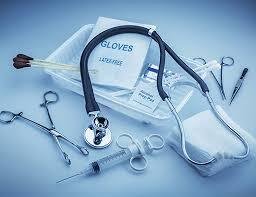
Healthcare is no longer confined to hospitals and clinics. Advances in portable medical equipment are transforming how patients receive care, making it possible to monitor, diagnose, and even treat medical conditions from the comfort of home. This shift is not only improving patient convenience but also reducing healthcare costs, minimizing hospital stays, and enhancing overall quality of life. As technology continues to evolve, portable solutions are becoming an essential part of modern medical equipment, empowering patients and caregivers alike.
The Rise of Home-Based Healthcare
The growing demand for home healthcare is driven by several factors, including aging populations, chronic disease management, and the need to reduce hospital overcrowding. Portable medical equipment plays a central role in this transformation by enabling continuous monitoring without requiring patients to remain in clinical settings.
Patients with conditions such as diabetes, hypertension, respiratory disorders, and mobility limitations benefit greatly from devices designed for home use. These tools allow real-time health tracking and early detection of complications, which can prevent emergencies and reduce readmission rates. For healthcare providers, remote monitoring offers access to valuable patient data, enabling more informed decisions and personalized treatment plans.
Key Types of Portable Medical Equipment
Portable medical equipment covers a wide range of devices designed to be lightweight, compact, and easy to operate. These innovations bring clinical-level functionality into everyday environments.
Portable Oxygen Concentrators
For individuals with chronic respiratory diseases such as COPD or asthma, portable oxygen concentrators provide a reliable source of oxygen therapy. Unlike traditional oxygen tanks, these devices are lightweight, rechargeable, and suitable for travel, allowing patients to maintain mobility and independence.
Blood Glucose Monitors
Diabetes management has been revolutionized by compact glucose monitors that provide instant readings. Many modern devices connect to smartphones, enabling patients to track trends, share data with doctors, and receive alerts for abnormal levels. This continuous feedback improves glycemic control and reduces long-term complications.
Digital Blood Pressure Monitors
Hypertension is one of the most common chronic conditions worldwide. Portable digital monitors allow patients to measure blood pressure at home with clinical accuracy. Regular monitoring helps detect fluctuations early and supports better medication management.
Portable ECG Devices
Electrocardiogram devices that once required hospital visits are now available in handheld formats. These tools can detect irregular heart rhythms, monitor cardiac health, and transmit data directly to healthcare professionals for analysis.
Nebulizers and CPAP Machines
Respiratory care has greatly benefited from portable nebulizers and CPAP machines. Compact and user-friendly designs ensure that patients with sleep apnea or chronic lung conditions receive consistent therapy without being restricted to hospital environments.
Mobility Aids and Rehabilitation Tools
Portable wheelchairs, walkers, and physiotherapy devices support recovery and mobility at home. These tools play a critical role in post-surgical rehabilitation and elderly care, promoting independence and reducing caregiver strain.
Benefits of Portable Medical Equipment
The integration of portable medical equipment into home healthcare offers numerous advantages for patients, caregivers, and healthcare systems.
Enhanced Patient Comfort and Independence
Being treated at home reduces stress and anxiety often associated with hospital stays. Patients can maintain daily routines, stay close to family, and recover in familiar surroundings, which positively impacts mental and emotional well-being.
Cost-Effective Care
Hospital admissions and long-term clinical care can be expensive. Portable devices reduce the need for frequent hospital visits, lowering healthcare costs for both patients and providers. Preventive monitoring also helps avoid costly emergency interventions.
Improved Chronic Disease Management
Chronic illnesses require ongoing monitoring and timely adjustments to treatment. Portable tools enable consistent tracking of vital signs, ensuring that any abnormalities are detected early. This proactive approach leads to better health outcomes.
Reduced Risk of Infections
Hospitals can expose patients to healthcare-associated infections. Receiving care at home with properly maintained medical equipment minimizes this risk, particularly for individuals with weakened immune systems.
Remote Monitoring and Telemedicine Integration
Many modern devices are equipped with wireless connectivity, allowing data to be shared with healthcare professionals in real time. This integration with telemedicine platforms enables virtual consultations, reducing the need for in-person visits while maintaining high-quality care.
Technological Innovations Driving the Market
The rapid advancement of technology is a major factor behind the growth of portable medical equipment. Innovations in miniaturization, battery life, wireless communication, and artificial intelligence are making devices more efficient and user-friendly.
Wearable health monitors now track multiple parameters, including heart rate, oxygen saturation, sleep patterns, and physical activity. AI-powered analytics can identify patterns and predict potential health issues before symptoms appear. Cloud-based storage ensures that patient data is accessible to authorized healthcare providers at any time.
Smart alarms, voice-guided instructions, and automated calibration features make devices easier for elderly users and non-medical caregivers to operate safely.
Challenges and Considerations
Despite its many benefits, the adoption of portable medical equipment also presents certain challenges.
Training and Proper Usage
Patients and caregivers must be trained to use devices correctly to ensure accurate readings and safe operation. Misuse can lead to incorrect data and inappropriate treatment decisions.
Maintenance and Calibration
Regular maintenance is essential to keep devices functioning properly. Calibration, battery replacement, and cleaning must be performed according to manufacturer guidelines.
Data Security and Privacy
With increased connectivity comes the need for robust cybersecurity measures. Protecting patient data from unauthorized access is critical in remote monitoring systems.
Accessibility and Affordability
While portable devices can reduce long-term healthcare costs, the initial investment may be a barrier for some patients. Expanding insurance coverage and government support can help improve accessibility.
The Future of Portable Medical Equipment
The future of portable medical equipment is closely tied to the broader evolution of digital health. Emerging trends include:
Integration with smart home systems for automated health monitoring
AI-driven predictive diagnostics for early disease detection
Compact lab-on-a-chip devices for home-based testing
Advanced wearable technologies with continuous monitoring capabilities
Robotic rehabilitation tools for home physiotherapy
These innovations will further blur the line between hospital and home care, making healthcare more personalized, preventive, and patient-centered.
Impact on Healthcare Systems
Healthcare systems worldwide are recognizing the value of shifting certain aspects of care to the home environment. Portable medical equipment reduces hospital congestion, frees up resources for critical cases, and supports value-based care models focused on outcomes rather than volume.
For rural and underserved areas, portable solutions can bridge the gap in access to healthcare services. Patients who previously faced long travel distances for routine monitoring can now receive consistent care without leaving their homes.
Empowering Patients and Caregivers
One of the most significant impacts of portable medical equipment is the empowerment it provides. Patients become active participants in their own care, gaining a better understanding of their health conditions through continuous monitoring and feedback.
Caregivers also benefit from tools that simplify complex medical tasks, reducing stress and improving confidence in providing home-based care.
Conclusion
Portable medical equipment is revolutionizing home healthcare by bringing advanced medical capabilities directly to patients. From monitoring chronic conditions to supporting rehabilitation and enabling remote consultations, these devices are reshaping the healthcare landscape.
As technology continues to advance, portable solutions will become even more sophisticated, affordable, and accessible. The result is a healthcare system that prioritizes comfort, convenience, and proactive care while maintaining high clinical standards. In this new era, medical equipment is not just a tool used in hospitals—it is a vital part of everyday life, empowering individuals to manage their health with greater independence and confidence.