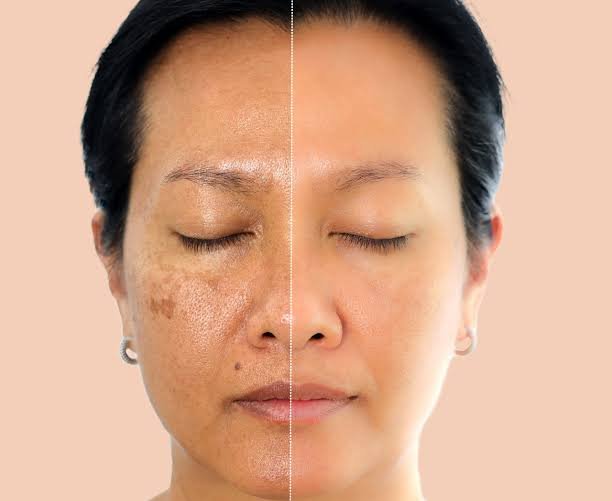
Hyperpigmentation—a common skin condition characterized by patches of skin becoming darker than the surrounding areas—can affect people of all ages, skin tones, and lifestyles. Whether caused by sun exposure, hormonal fluctuations, aging, or previous skin inflammation, dark spots can be frustratingly persistent. While topical skincare products like vitamin C, retinoids, and exfoliating acids offer gradual improvement, many individuals turn to dermatological procedures for faster, more visible outcomes. Among the most effective advanced solutions available today are Laser Treatments for Hyperpigmentation.
Laser technology has revolutionized clinical skincare, offering high precision and remarkable success in diminishing dark spots. However, laser therapy is not a one-size-fits-all solution. Achieving optimal, safe results depends heavily on whether a person is an ideal candidate for the specific technology being used. Understanding the nuances of laser treatments for hyperpigmentation and what makes a good candidate can help you decide if this path aligns with your skincare goals.
Understanding Laser Treatments for Hyperpigmentation
To evaluate whether you are a suitable candidate, it is essential to understand how laser treatments for hyperpigmentation actually work.
Hyperpigmentation occurs when melanocytes—the cells responsible for producing skin color—produce an excess of melanin, which forms visible clusters on the surface or in deeper layers of the dermis. Lasers operate on the principle of selective photothermolysis. They emit targeted wavelengths of light energy that are specifically absorbed by melanin pigments in the skin.
When the melanin absorbs this intense light energy, it converts into heat, shattering the localized pigment into microscopic particles. Over the following days and weeks, the body’s natural lymphatic and metabolic systems flush out these fragmented particles, or the targeted skin sheds naturally, revealing a clearer, more even tone underneath.
Dermatologists utilize several types of lasers based on the depth and nature of the pigment:
- Ablative Lasers: These lasers vaporize the top layers of damaged skin, promoting fresh cellular regeneration. While highly effective, they require longer downtime.
- Non-Ablative Lasers: These penetrate beneath the outer skin surface without damaging top layers, stimulating collagen and breaking up pigment with minimal recovery time.
- Q-Switched and Picosecond Lasers: Highly specialized lasers that deliver light energy in ultra-short pulses, making them ideal for shattering stubborn pigment without overheating surrounding tissues.
- Intense Pulsed Light (IPL): Although technically a broad-spectrum light therapy rather than a single-wavelength laser, IPL works similarly to target superficial sun damage and uneven pigmentation.
What Factors Determine a Good Candidate?
While laser treatments for hyperpigmentation can dramatically restore skin clarity, determining candidate suitability requires a comprehensive assessment of skin type, medical history, lifestyle habits, and underlying skin conditions.
Skin Tone and Fitzpatrick Scale Classification
One of the primary considerations in laser therapy is an individual’s natural skin tone, categorized using the Fitzpatrick Scale (ranging from Type I, very fair, to Type VI, deeply pigmented).
Because lasers inherently seek out pigment, darker skin tones contain more natural melanin throughout the surrounding healthy tissue. Older or aggressive laser technologies could inadvertently mistake background skin pigment for the hyperpigmentation being targeted, leading to burns, loss of pigment (hypopigmentation), or rebound darkening (post-inflammatory hyperpigmentation).
- Ideal Candidates: Individuals with lighter to medium skin tones (Fitzpatrick Types I–III) generally face a lower risk of adverse reactions and can comfortably undergo a wider range of laser wavelengths.
- Candidates with Deeper Skin Tones: Individuals with olive, brown, or dark skin tones (Fitzpatrick Types IV–VI) can still successfully receive laser care, but they require specialized, low-heat, short-pulse technologies (such as Nd:YAG or Picosecond lasers) operated by highly experienced medical providers to prevent accidental damage to healthy tissue.
The Specific Type and Depth of Hyperpigmentation
Not all dark spots originate from the same cause, and identifying the underlying root is crucial before initiating therapy.
- Sunspots and Age Spots (Lentigines): These are superficial pigment clusters caused by UV radiation. They are exceptionally responsive to light and laser energy, making individuals with sun-damaged skin excellent candidates for quick, highly effective results.
- Post-Inflammatory Hyperpigmentation (PIH): Dark spots left behind by acne, injury, or eczema respond well to gentle lasers once the active inflammation has completely resolved.
- Melasma: Triggered by hormonal shifts (such as pregnancy or oral contraceptives) and exacerbated by heat and light, melasma is notoriously unpredictable. Because thermal heat from traditional lasers can aggravate melasma and cause dark patches to flare up, candidates with melasma must be treated cautiously using non-thermal or low-energy laser approaches.
Overall Skin Health and Active Conditions
A good candidate must have healthy skin barrier function around the treatment zone. Candidates with active acne breakouts, open wounds, cold sores, viral infections, or active inflammatory skin conditions like rosacea, eczema, or psoriasis in the target area must postpone procedure plans until their skin has fully healed. Treating compromised skin significantly increases the risk of scarring, infection, and severe post-treatment discoloration.
Sun Exposure Habits and Lifestyle
Sun exposure and laser procedures do not mix. Lasers temporarily make the skin highly sensitive to ultraviolet light. A good candidate must be committed to strict sun protection both before and after therapy.
Individuals who spend extended periods outdoors without protection, frequently use tanning beds, or have a fresh tan (natural or self-tanner) are not suitable candidates. Tanned skin carries elevated melanin levels that increase the likelihood of laser burns and patchy results. Potential candidates are typically required to avoid direct sun exposure and apply broad-spectrum sunscreen daily for several weeks prior to treatment.
Medical History and Medication Usage
Certain medical factors can disqualify someone from immediately receiving treatment:
- Photosensitizing Medications: Certain antibiotics, acne treatments (such as oral isotretinoin/Accutane), and topical retinoids increase sensitivity to light. Patients taking isotretinoin generally must wait 6 to 12 months after stopping the medication before undergoing laser therapy.
- Tendency to Form Keloids: Individuals prone to keloid or hypertrophic scarring must be carefully screened, as laser damage could potentially trigger abnormal scar formation.
- Pregnancy and Nursing: Hormonal fluctuations during pregnancy can cause hyperpigmentation to resolve naturally post-partum. Additionally, safety data for laser procedures during pregnancy is limited, making expectant or nursing mothers candidates for post-nursing treatment instead.
Realistic Expectations and Commitment
Physical candidacy is only half the equation; mental preparedness and realistic expectations complete the picture.
Laser treatments for hyperpigmentation are rarely a single-session fix. Achieving full, smooth skin rejuvenation usually requires a structured series of 3 to 6 sessions spaced several weeks apart. Furthermore, dark spots may initially darken or form temporary micro-crusts before shedding to reveal clearer skin.
A prime candidate understands that laser care is a process requiring patience, compliance with post-procedure recovery instructions, and an ongoing investment in preventative skincare—most notably, daily application of broad-spectrum SPF 30 or higher to keep new pigment from forming.
Final Thoughts
Laser treatments for hyperpigmentation offer a scientifically backed, highly efficient pathway to fading stubborn discoloration and restoring a luminous, balanced complexion. While the technology holds transformative potential, safety and success depend on proper candidate selection.
By evaluating your skin type, pigment depth, medical background, and willingness to maintain rigorous sun protection, a board-certified dermatologist or licensed practitioner can tailor a safe laser strategy suited to your unique profile. When matched with the right candidate, modern laser therapy delivers clear, radiant skin that lasts.