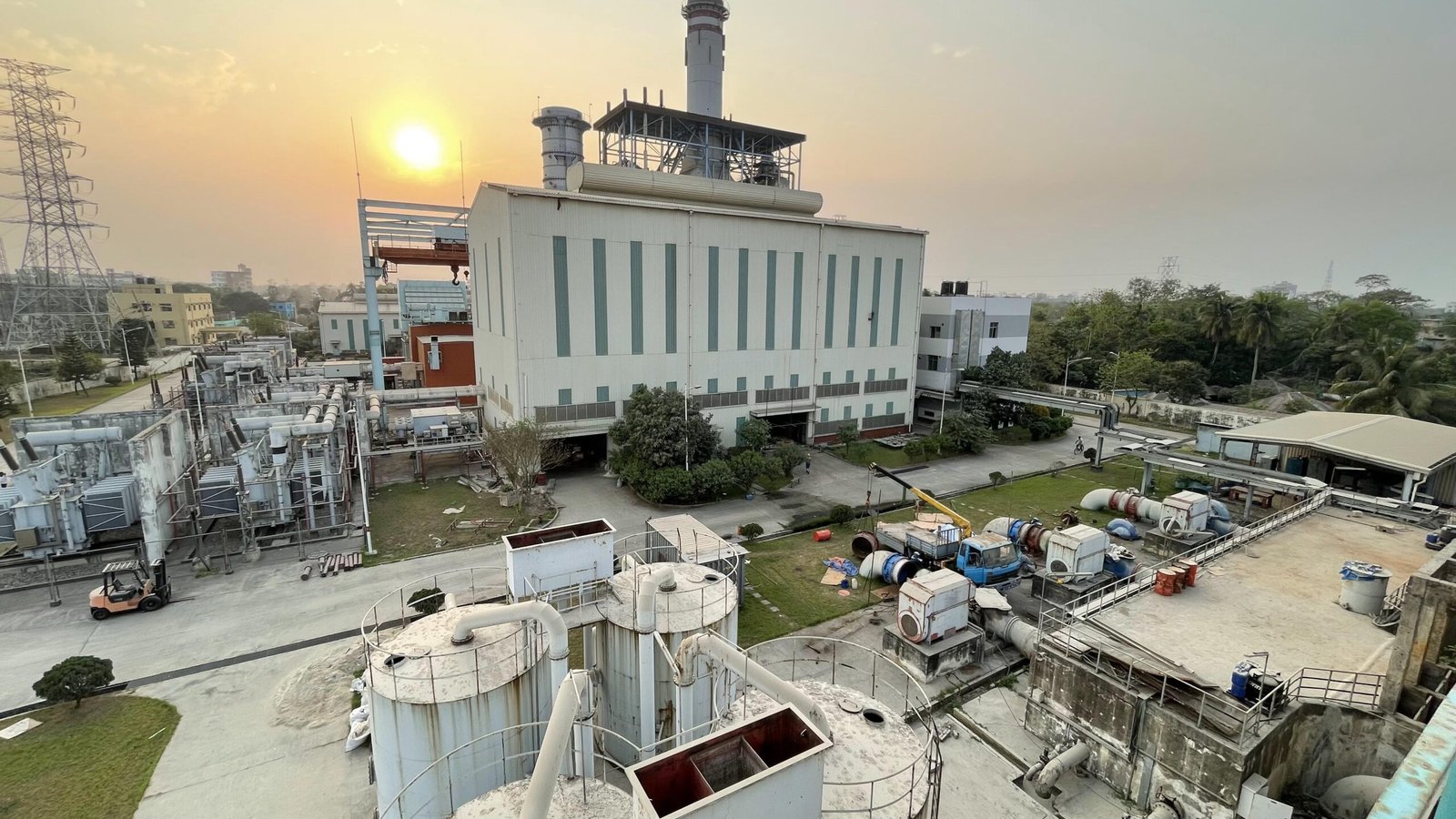
Commercial construction plays an important role in creating the spaces where businesses operate, customers shop, employees work, and communities grow. From modern office buildings and retail stores to warehouses, restaurants, and industrial facilities, every successful project requires careful planning, skilled workmanship, and professional management. Choosing an experienced commercial builder can make a significant difference in the quality, efficiency, and long-term value of a construction project.
Whether a business owner is planning a new building, renovating an existing property, or expanding operations, working with the right construction professional helps ensure that the project meets its objectives. Understanding the responsibilities of commercial builders and the benefits they offer can help property owners make informed decisions.
What Is a Commercial Builder?
A commercial builder is a construction professional or company that specializes in developing, constructing, and renovating buildings designed for business and commercial use. Unlike residential construction, which primarily focuses on houses and apartments, commercial construction involves properties that support business activities, public services, retail operations, and industrial processes.
These professionals manage different stages of construction, including initial planning, budgeting, material selection, scheduling, subcontractor coordination, and final inspections. Depending on the project, they may work with architects, engineers, designers, suppliers, and local authorities to ensure that every aspect of the building is completed according to the agreed requirements.
A reliable builder also understands that commercial properties must balance appearance, functionality, safety, and operating costs. The goal is to create a space that supports business performance while meeting applicable building regulations.
Types of Commercial Construction Projects
Commercial builders work on a wide range of properties. Each type of project has different requirements, depending on its purpose, size, location, and expected usage.
Office Buildings
Office construction requires practical layouts, comfortable workspaces, appropriate lighting, and reliable electrical and communication systems. A well-designed office can support employee productivity, collaboration, and a positive working environment.
Builders coordinate the installation of essential systems while ensuring that meeting rooms, reception areas, workstations, and shared facilities are integrated effectively.
Retail Stores and Shopping Centres
Retail properties need to provide an attractive and accessible environment for customers. Commercial builders help create functional sales floors, storage areas, checkout counters, display spaces, and customer facilities.
Construction planning may also consider customer movement, accessibility, security, and the specific needs of the business operating within the property.
Warehouses and Industrial Facilities
Warehouses and industrial buildings often require durable construction, efficient loading areas, suitable flooring, and carefully planned storage capacity. Some facilities also need specialized ventilation, electrical infrastructure, or equipment foundations.
An experienced builder can coordinate these requirements to create a property that supports safe and efficient daily operations.
Restaurants and Hospitality Properties
Restaurants, hotels, and other hospitality businesses require construction solutions that combine visual appeal with practical functionality. Kitchens, dining areas, service spaces, washrooms, and ventilation systems must work together effectively.
Commercial builders coordinate the relevant trades to ensure that these areas meet the project’s design requirements and applicable safety standards.
Benefits of Hiring a Professional Commercial Builder
Selecting the right construction partner can provide several advantages throughout the development process.
Better Project Planning
Successful construction begins with a clear plan. A professional commercial builder helps establish project objectives, identify important milestones, estimate costs, and develop a realistic schedule.
Planning also helps identify potential challenges before they become expensive problems. For example, material availability, site conditions, design changes, and approval requirements can affect project timelines. Addressing these issues early makes the construction process more manageable.
Effective Budget Management
Construction projects involve numerous expenses, including materials, labour, equipment, permits, and specialist services. Without careful financial planning, costs can increase unexpectedly.
A reliable builder prepares a detailed estimate based on the available project information and communicates potential additional expenses when circumstances change. Regular cost monitoring also helps property owners understand how their budgets are being used.
Although the lowest quotation may appear attractive, it is important to compare the scope of work, material specifications, warranties, and exclusions before making a decision.
Quality Workmanship
The quality of construction affects a building’s durability, appearance, safety, and maintenance requirements. Professional builders coordinate skilled tradespeople and monitor work throughout the construction process.
Quality management may include checking structural components, inspecting installations, reviewing finishing work, and ensuring that materials match the agreed specifications.
Consistent supervision helps identify defects early and reduces the likelihood of costly repairs after completion.
Efficient Project Coordination
Commercial construction typically involves several teams working on different parts of the same project. Poor coordination can result in delays, scheduling conflicts, and unnecessary expenses.
A commercial builder manages communication between contractors, suppliers, consultants, and the property owner. By organizing tasks in the correct sequence, the builder helps keep work progressing efficiently.
This coordination is particularly valuable for businesses that need to prepare a new location before a planned opening or relocation.
Important Factors to Consider Before Hiring a Commercial Builder
Choosing a construction partner requires more than comparing prices. Businesses should evaluate several factors to determine whether a builder is suitable for their particular project.
Experience and Previous Projects
Reviewing previous projects can provide useful information about a builder’s capabilities. Look for experience with buildings similar in size, purpose, complexity, and design to your proposed development.
A builder who regularly handles retail properties may have different expertise from one who specializes in industrial facilities. Relevant experience can help reduce uncertainty during planning and execution.
Licensing, Insurance, and Compliance
Before signing an agreement, confirm that the builder holds the licences, registrations, and insurance required for the project and location.
Commercial buildings must comply with applicable building codes, fire safety provisions, accessibility requirements, and other relevant regulations. Depending on the project, specific permits and inspections may also be necessary.
Clarify who will arrange approvals and coordinate inspections so that responsibilities are clearly understood.
Communication and Transparency
Good communication is essential for a successful construction project. Property owners should receive clear information about schedules, expenses, design changes, and unexpected challenges.
During initial discussions, assess whether the builder answers questions thoroughly and explains technical matters in understandable language. A transparent working relationship helps prevent misunderstandings and supports better decision-making.
Contract Details and Warranties
A written contract should outline the scope of work, payment arrangements, expected completion dates, materials, responsibilities, and procedures for managing variations.
It should also explain how defects, delays, and disputes will be handled. Reviewing these details carefully before construction begins can help protect both parties and establish realistic expectations.
Understanding the Commercial Construction Process
Although individual projects differ, most commercial construction developments follow several common stages.
Initial Consultation and Planning
The process begins by discussing the client’s requirements, intended building use, budget, preferred design, and expected completion timeframe.
The builder may review the site and collaborate with architects or engineers to assess feasibility. Early planning helps establish a practical direction before major expenses are committed.
Design and Approvals
Architectural drawings, structural plans, and technical specifications are developed during the design stage. Relevant authorities may need to review and approve the plans before construction can begin.
Careful coordination at this stage reduces the likelihood of significant changes later in the project.
Construction and Supervision
Once the necessary preparations and approvals are complete, construction work begins. Depending on the project, this may include site preparation, foundations, structural work, roofing, utilities, interior installations, and finishing.
The builder monitors progress, coordinates contractors, and checks that completed work follows the approved plans and specifications.
Final Inspection and Handover
Before the property is handed over, the completed work should be inspected and outstanding issues documented. Required approvals and compliance checks must be addressed according to local regulations.
The owner should also receive relevant documentation, warranties, operating information, and maintenance guidance where applicable.
The Growing Importance of Sustainable Commercial Buildings
Sustainability has become an important consideration in modern commercial construction. Businesses increasingly look for ways to reduce energy consumption, improve indoor comfort, and manage long-term operating expenses.
Commercial builders can support these goals by incorporating suitable insulation, energy-efficient lighting, water-saving fixtures, and durable materials. Depending on the building’s design and location, renewable energy systems and efficient heating, ventilation, and air-conditioning equipment may also be appropriate.
Sustainable decisions should consider the building’s intended use, initial construction costs, maintenance requirements, and expected long-term performance. A well-planned approach can help businesses create more efficient properties without compromising functionality.
Renovation and Expansion of Existing Commercial Properties
Not every business needs a completely new building. Renovating an existing property can be a practical option for companies that want to modernize their premises, increase usable space, or adapt to changing operational requirements.
Commercial builders can assist with interior upgrades, accessibility improvements, layout changes, structural alterations, and extensions, subject to the property’s condition and applicable approvals.
Before starting renovation work, it is important to assess the existing structure and identify potential issues involving electrical systems, plumbing, fire safety, or building materials. A thorough assessment helps establish a realistic budget and reduces unexpected disruptions.
Businesses operating from the property during construction should also discuss access arrangements, noise management, safety measures, and work schedules with the builder.
Conclusion
Choosing the right commercial builder is an important step toward creating a safe, functional, and durable business property. From initial planning and budgeting to construction supervision and final handover, a professional builder helps coordinate the many tasks involved in commercial development.
By evaluating experience, workmanship, communication, compliance, and contract terms, property owners can select a construction partner that understands their goals. Careful planning and transparent collaboration also help control costs, reduce delays, and maintain quality throughout the project.
Whether developing a new office, upgrading a retail space, constructing a warehouse, or expanding an existing facility, investing time in choosing the right builder can contribute to a successful outcome. A thoughtfully constructed commercial property can support daily operations, improve the experience of employees and customers, and provide lasting value for the business.