Introduction
Customizing a vehicle is an exciting way to express personal style and improve its overall appearance. One of the most popular options for exterior customization is installing bodykits. These components can transform an ordinary vehicle into a more distinctive, sporty, or aggressive-looking car. However, selecting the right bodykit requires more than choosing an attractive design. Quality, material, compatibility, installation, durability, and budget are all important factors to consider.
For beginners, the wide variety of available options can make the buying process confusing. Some bodykits are designed primarily for visual enhancement, while others may support aerodynamic performance when properly engineered. Understanding these differences helps vehicle owners make informed decisions and avoid unnecessary expenses.
This guide explains how to choose high-quality bodykits, what materials to look for, how to check compatibility, and which details matter most before making a purchase.
Understanding What Bodykits Are
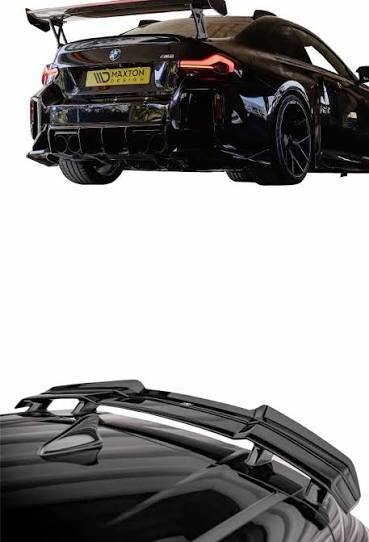
Bodykits are aftermarket exterior components designed to change the appearance or, in some cases, the aerodynamic characteristics of a vehicle. They may include front bumpers, rear bumpers, side skirts, front splitters, rear diffusers, spoilers, and other styling accessories.
Each component serves a different purpose. Front bumpers can create a more aggressive appearance, while side skirts provide visual continuity along the vehicle’s lower sides. Rear diffusers and spoilers can contribute to aerodynamic performance when designed and installed correctly.
Some drivers prefer complete bodykits that create a coordinated appearance across the entire vehicle. Others choose individual components to make subtle improvements without changing the original design too dramatically.
Before exploring available products, determine what you want to achieve. A clear goal makes it easier to identify suitable designs and avoid purchasing components that do not match your expectations.
Choose the Right Material
Material quality is one of the most important considerations when selecting bodykits. Different materials offer different advantages in terms of durability, weight, flexibility, appearance, and price.
ABS Plastic
ABS plastic is commonly used for automotive exterior accessories because it offers a practical balance between flexibility, durability, and affordability. It can be molded into detailed shapes and is often suitable for everyday driving.
High-quality ABS components can provide a clean finish and consistent fitment. However, quality varies between manufacturers, so check the product specifications, surface finish, and customer feedback before purchasing.
Fiberglass
Fiberglass bodykits are popular among enthusiasts because they can be produced in various shapes and designs. They may also offer an affordable route to more customized styling.
However, fiberglass can be more vulnerable to cracking when exposed to significant impacts. Some products may require additional preparation, sanding, filling, or professional adjustments before painting and installation.
Choose fiberglass components from suppliers that provide clear information about construction quality and fitment requirements.
Polyurethane
Polyurethane components are valued for their flexibility and ability to withstand certain minor impacts without cracking as easily as more rigid materials. This flexibility can be useful for lower exterior components that may encounter uneven roads or parking obstacles.
The material’s suitability depends on the product’s formulation, construction, and intended application. Compare specifications rather than assuming every polyurethane product offers the same level of durability.
Carbon Fiber
Carbon fiber bodykits appeal to drivers seeking a distinctive appearance and lightweight construction. Depending on the product, carbon fiber components may offer a favorable strength-to-weight ratio.
Nevertheless, carbon fiber products can be expensive, and their quality varies considerably. Check whether a component is genuine carbon fiber or simply features a carbon-fiber-style finish.
For beginners, the best material is the one that suits the vehicle, driving conditions, appearance preferences, and available budget.
Check Vehicle Compatibility and Fitment
Even an attractive, well-made bodykit may become a poor investment if it does not fit the vehicle correctly. Compatibility should therefore be confirmed before placing an order.
Start by identifying the vehicle’s exact make, model, model year, and trim level. Some manufacturers produce different bumper shapes or mounting arrangements for vehicles that otherwise appear nearly identical.
Check the seller’s fitment information carefully. Confirm whether the kit is designed for your specific vehicle and whether it requires additional brackets, modifications, or replacement components.
High-quality bodykits should have consistent dimensions and mounting points that align with the intended vehicle. Although some aftermarket products require minor professional adjustments, extensive modifications may increase installation costs and compromise the finished result.
Whenever possible, review installation photographs and customer feedback from people who own the same vehicle generation.
Evaluate Design and Overall Appearance
The best bodykit complements the vehicle’s original proportions instead of making every exterior feature compete for attention.
Consider the car’s existing lines, bumper shape, wheel design, ride height, and paint color. A coordinated design often creates a more refined appearance than combining unrelated accessories from different styling categories.
Select a Style That Matches Your Preferences
Different bodykit designs produce different visual effects. Sport-inspired kits may feature larger air openings, sharper lines, and lower-looking front sections. Subtle kits may focus on clean extensions, understated side skirts, and small rear styling details.
Wide-body designs can create a more dramatic appearance, but they may require additional work involving wheel clearance, body panels, or other modifications.
Before choosing a design, look at several examples installed on the same vehicle model. This provides a more realistic understanding of how the finished car may look.
Consider Everyday Practicality
Appearance is important, but daily usability should not be overlooked. Extremely low front splitters or side extensions may scrape on steep driveways, speed bumps, and uneven roads.
Drivers who regularly travel through urban areas or over rough surfaces should prioritize suitable ground clearance and durable construction.
A practical design allows the vehicle to maintain its intended appearance without creating constant difficulties during ordinary journeys.
Research the Manufacturer and Seller
A reliable manufacturer or seller can make the buying process considerably easier. Look for businesses that provide detailed product descriptions, accurate compatibility information, clear photographs, and responsive customer support.
Product listings should explain the materials used, the components included, the expected finish, and any additional installation requirements.
Be cautious when a seller provides limited specifications or makes exaggerated claims about durability and performance. Professional-looking photographs alone do not guarantee excellent manufacturing quality.
Customer reviews can help identify recurring issues, such as inconsistent fitment, damaged deliveries, missing hardware, or poor surface finishing. Give particular attention to reviews that include installation photographs and describe the buyer’s actual experience.
It is also useful to check the supplier’s return policy, warranty conditions, shipping arrangements, and procedure for reporting damaged or incorrect parts.
Understand the Importance of Surface Finish
The finish of a bodykit affects both its appearance and the preparation required before installation.
Some components arrive ready for installation, while others are supplied in a primer-ready or unfinished condition. An unfinished component may require sanding, surface preparation, priming, and painting to achieve the desired result.
Inspect available product images for uneven edges, visible imperfections, inconsistent textures, and poor detailing. Ask the seller whether the component is painted, primed, or supplied in its raw material finish.
If you plan to match the bodykit to the vehicle’s original paint, remember that professional color matching may be necessary. The final result depends on the component’s surface condition and the quality of the painting process.
Taking these details into account helps you calculate the complete cost instead of focusing only on the listed purchase price.
Compare Prices and Total Costs
Bodykit prices vary according to material, design complexity, manufacturing quality, and the number of components included. While inexpensive products can be suitable for some projects, the lowest price does not always represent the best value.
Compare several products with similar specifications. Consider the quality of the material, compatibility, included hardware, shipping charges, and the amount of preparation required before installation.
Your total budget should also include professional fitting, painting, possible adjustments, and replacement clips or mounting brackets if needed.
For beginners, upgrading a few carefully selected components may be more practical than purchasing a complete kit immediately. For example, a well-fitted front lip and matching side skirts can create a coordinated appearance without the expense of replacing multiple body panels.
Prioritize quality and suitability over the number of accessories included in a package.
Consider Professional Installation
Proper installation is essential for achieving a secure, attractive finish. Even high-quality bodykits can look poorly fitted when mounting points are misaligned or gaps are uneven.
Professional installers can assess compatibility, identify necessary adjustments, and ensure that components are securely attached. They can also determine whether additional preparation is needed before painting.
Installation becomes especially important for large bumpers, wide-body conversions, and components that may affect lighting, sensors, wheel clearance, or other vehicle systems.
Before approving the work, ask the installer about the expected labor cost, installation timeline, and any modifications that might be required.
After installation, check that the panels are aligned, fasteners are secure, and the components do not interfere with doors, wheels, lights, or other moving parts.
Think About Aerodynamics and Vehicle Safety
Some bodykits are designed mainly for appearance, while others are developed with aerodynamic considerations in mind. These purposes should not be confused.
A properly engineered aerodynamic component may influence airflow around the vehicle. However, a decorative spoiler or diffuser does not automatically improve handling, stability, or fuel efficiency.
Avoid assuming that aggressive styling guarantees better performance. Genuine aerodynamic benefits depend on the design, vehicle characteristics, installation quality, and operating conditions.
Safety should remain a priority. Components must not obstruct headlights, indicators, registration plates, or the driver’s visibility. They should also be securely mounted and comply with applicable local vehicle regulations.
If a bodykit changes the vehicle’s dimensions, ground clearance, or exterior projections, check the relevant requirements before proceeding.
Plan for Maintenance and Long-Term Durability
High-quality bodykits should suit the conditions in which the vehicle will be driven. Road debris, weather exposure, parking conditions, and frequent contact with uneven surfaces can affect the lifespan of exterior components.
Clean the components regularly using suitable automotive cleaning products. Avoid harsh chemicals or abrasive materials that could damage painted finishes.
Inspect mounting points periodically, especially after driving over rough roads or noticing unusual movement. Address loose fasteners or visible damage promptly.
If a component becomes scratched or cracked, have it assessed before the damage spreads or affects its attachment. Proper maintenance helps preserve both appearance and functionality.
Common Mistakes Beginners Should Avoid
First, do not purchase a bodykit based only on attractive promotional photographs. Always verify specifications and compatibility.
Second, avoid overlooking installation and painting expenses. A low initial price may become less appealing when extensive preparation is required.
Third, do not mix components without considering their proportions and design. Different styling elements may clash when they are not intended to work together.
Fourth, never ignore safety or local regulations for the sake of appearance. Secure mounting and adequate clearance are essential.
Finally, avoid rushing the decision. Comparing several products and reviewing reliable customer experiences can prevent expensive mistakes.
Conclusion
Choosing high-quality bodykits becomes easier when you understand the factors that influence their appearance, fitment, durability, and overall value. Material selection, vehicle compatibility, manufacturer reputation, surface finish, installation quality, and total cost should all play a role in your decision.
Beginners should start with a clear styling goal and choose components that suit both their vehicle and everyday driving requirements. Researching sellers, checking specifications, and seeking professional installation when necessary can help create a more reliable result.
Ultimately, the right bodykit is not simply the most expensive or visually dramatic option. It is the one that fits correctly, complements the vehicle’s design, meets practical requirements, and delivers lasting value. With careful planning and informed choices, you can personalize your car confidently while maintaining its usability and safety.