


Top 10 Water Damage Cleaning Tips for Homeowners
water damage cleaningWater damage is one of the most common yet destructive problems a homeowner can face. Whether caused by flooding, leaking pipes, or heavy rainfall, water intrusion can quickly ruin property, lead to mold growth, and compromise structural integrity. Effective water damage cleaning is critical to minimize long-term damage and protect your home. In this article, we share the top 10 water damage cleaning tips every homeowner should know.
1. Act Quickly to Minimize Damage
Time is the most crucial factor in water damage cleaning. The longer water sits, the more damage it can cause. Begin by assessing the extent of the water intrusion and removing any standing water as soon as possible. Quick action can save flooring, furniture, and personal belongings from permanent damage.
2. Ensure Safety First
Before starting cleanup, ensure the area is safe. Turn off electricity in affected areas to prevent electrical hazards. Wear protective gear such as gloves, boots, and masks to protect yourself from contaminated water and mold spores. Safety should always be the first priority during water damage cleaning.
3. Remove Standing Water Efficiently
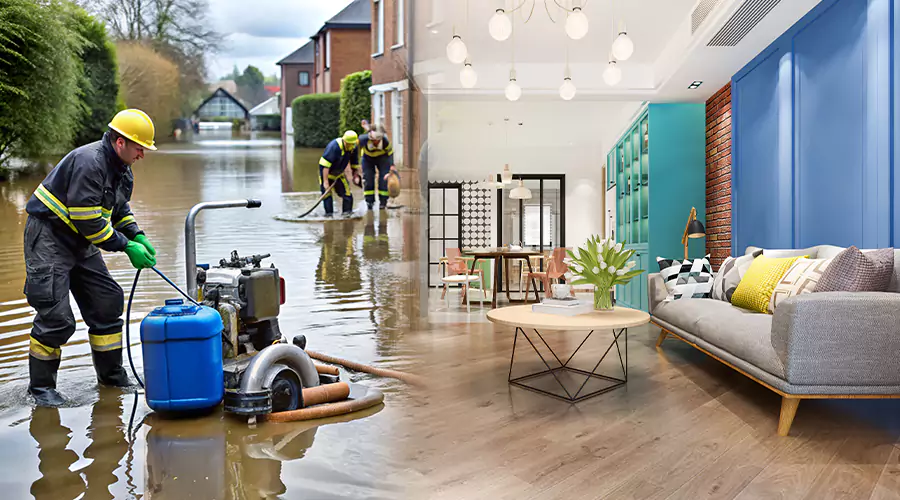
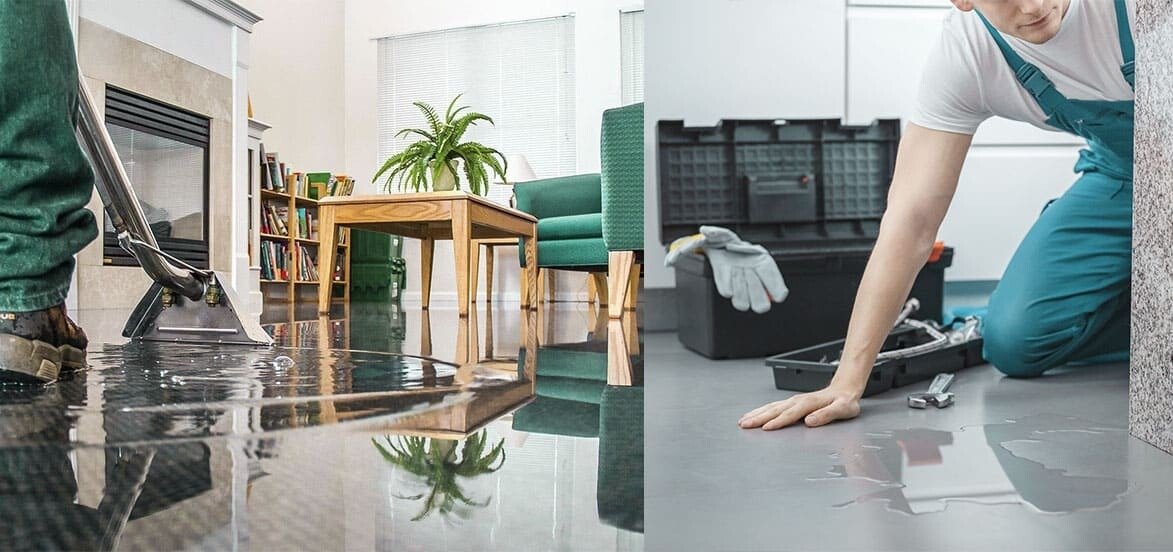
Standing water can worsen structural damage if not removed promptly. Use a wet/dry vacuum, mop, or pump to extract water from the floors and carpets. For larger areas, consider renting specialized water extraction equipment. Removing water quickly reduces the chance of mold growth and minimizes the damage to walls, floors, and furniture.
4. Dry Out the Affected Area
After removing standing water, focus on thorough drying. Open windows and doors for ventilation, and use fans and dehumidifiers to reduce moisture. Drying should continue for several days until the area is completely moisture-free. Proper drying is essential for effective water damage cleaning and to prevent mold from developing.
5. Salvage and Disinfect Belongings
Evaluate which items can be salvaged and which need disposal. Hard surfaces like metal, plastic, and glass can usually be cleaned and disinfected, while porous materials like carpets, mattresses, and upholstered furniture may need special treatment or replacement. Use a disinfectant to clean salvaged items to prevent bacterial growth and eliminate odors.
6. Remove Damaged Materials
Some materials cannot be restored after significant water exposure. Drywall, insulation, and carpeting may need removal if heavily soaked. Cutting away damaged sections prevents mold growth behind walls and reduces the risk of structural problems. During this process, dispose of all contaminated materials safely.
7. Prevent Mold Growth
Mold can begin growing within 24 to 48 hours after water exposure, so controlling moisture is critical. Use antimicrobial sprays on wet surfaces and maintain consistent airflow. Regularly check hidden areas like under flooring and behind walls for early signs of mold during the water damage cleaning process.
8. Check Plumbing and Roofing
Water damage is often a symptom of an underlying issue. Inspect plumbing, roofing, gutters, and windows to identify the source of the water. Repairing leaks or damaged infrastructure prevents future incidents and ensures that your water damage cleaning efforts are not wasted.
9. Keep Records for Insurance
Document all damage and cleanup efforts for insurance purposes. Take photos and maintain receipts for professional services, equipment rentals, and replaced items. Proper documentation can help homeowners file claims efficiently and recover costs related to water damage cleaning.
10. Consider Professional Help
While minor water damage can be handled by homeowners, extensive flooding or hidden structural damage often requires professional assistance. Water damage restoration experts have specialized equipment and knowledge to safely and effectively handle severe cases. Hiring professionals ensures thorough cleaning, drying, and mold prevention.
Conclusion
Water damage can cause significant stress and expense for homeowners, but quick and strategic action can reduce its impact. Following these 10 water damage cleaning tips—acting quickly, ensuring safety, removing water, drying thoroughly, salvaging belongings, removing damaged materials, preventing mold, checking infrastructure, documenting damage, and seeking professional help—can protect your home and restore it to a safe condition. Prioritizing proper water damage cleaning helps maintain the value and longevity of your property while ensuring a healthier living environment for you and your family.